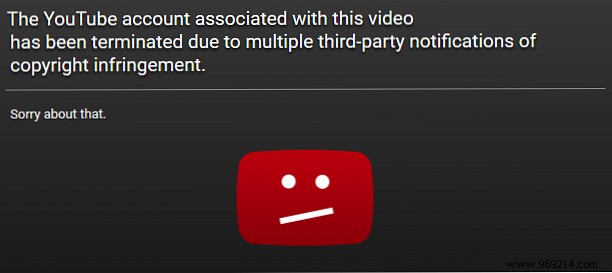
YouTube dominates as the world's leading video platform, yet it must strictly adhere to intellectual property laws. This high visibility makes it particularly susceptible to takedown requests. Videos infringing on copyrights or trademarks can be swiftly removed—often without warning.
These removals sometimes occur in error, impacting creators and viewers alike. YouTube's history includes a high-profile 2007 lawsuit from Viacom, alleging the platform ignored copyrights during its early days. Though YouTube prevailed in court and appeals, the case reshaped content moderation policies.
Let's explore what this means, with examples of claims and their impact on you. If you've ever lost a favorite video overnight, you know the frustration—and the reasons behind it.
Intellectual property laws can be complex and vary by country. The key ones for YouTube are copyrights and trademarks—distinct concepts often confused. Note: I'm not a lawyer; this is a high-level overview.
Trademarks protect brand identifiers like company names or logos, distinguishing them from competitors. Registered trademarks can last indefinitely if actively used. Ownership depends on context and industry; misuse causing source confusion constitutes infringement.
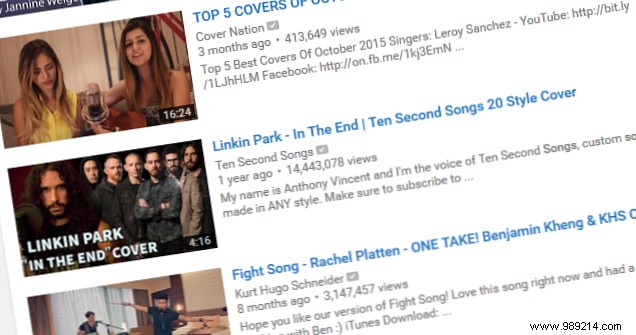
Copyrights arise automatically upon creating original works, granting exclusive rights to reproduction and distribution. For instance, uploading your original song and dance video to YouTube secures your copyright. Re-uploading it elsewhere is infringement—even covers may require licensing, such as via Creative Commons.
Copyrights generally last about 100 years after the author's death (varying by region), after which works enter the public domain. You could film a Shakespeare play verbatim without issue.
YouTube relies on automation: over 400 hours of video upload every minute makes manual review impossible. Its Content ID system, partnering with 8,000+ entities like labels and studios, scans uploads against reference files. It has processed over 400 million claims to date—mostly automatic.
This blocks re-uploads of full music videos or movies instantly. Evasive tactics like mirroring video or audio distortion sometimes appear.
Claims favor rights holders. Creators can accept (risking deletion or ad revenue loss to claimants), mute/block content, or dispute if erroneous.
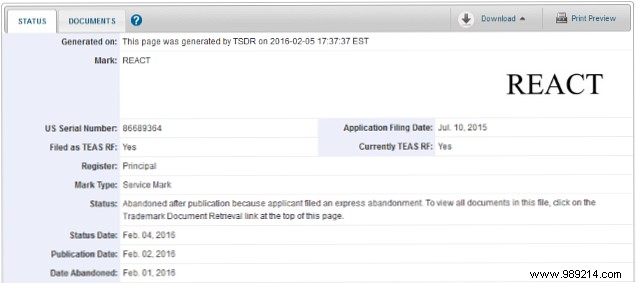
The Fine Brothers popularized "React" videos, filming demographics' reactions to content. In 2016, they announced "React World," aiming to trademark "React" (and phrases like "Kids React") and license the format, demanding revenue shares.
They'd previously called out celebrities like Ellen DeGeneres for similar content. Reports emerged of claims against small creators using "react" in titles—even pre-approval.
Legally, owners must defend trademarks or risk genericization (e.g., "Escalator," "Trampoline"). The backlash led Fine Bros to abandon trademarks, drop claims, and retract the video, costing subscribers and reputation.
YouTube prioritizes big creators and networks for views and revenue. Networks scout and claim potential infringements aggressively—small creators often concede.
Combine this with IP laws, and favorite videos can vanish abruptly.
Smosh's early lip-sync Pokémon parody hit 24 million views before a 2007 takedown by The Pokémon Company. Fair use (parody, criticism) might apply, but they didn't fight. A 2010 "revenge" parody remains with 27 million views.
Sony's 2015 "Let’s Play" trademark bid alarmed gamers. Rejected for similarity to another mark, it could enable takedowns if approved. Nintendo once claimed 100% revenue from game videos, now taking 60% via its Creator Program—balancing promotion and rights.
Channel Awesome (Nostalgia Critic) lost monetization over a Studio Ghibli review using clips. Fair use likely applied, but poor YouTube support delayed resolution by weeks, highlighting system flaws.
Automation invites abuse; disputes require effort. YouTube now offers legal aid for clear fair-use cases in the US. To safeguard favorites, add to playlists and download offline using tools.
