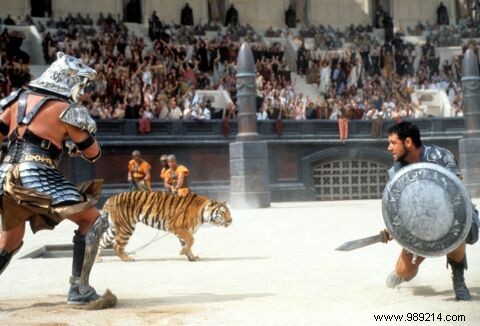
Ridley Scott's Gladiator masterfully weaves historical elements with cinematic storytelling, creating one of cinema's most enduring films. Though Maximus is fictional, his character draws deep inspiration from real Roman figures.
"My name is Maximus Decimus Meridius, Commander-in-Chief of the Armies of the North, General of the Felix Legions, faithful servant of the true Emperor Marcus Aurelius." Still gives chills?
In 2000, Russell Crowe's portrayal of Maximus Decimus Meridius catapulted him to stardom. As a Roman general loyal to Emperor Marcus Aurelius, Maximus is thrust into the gladiatorial arena. While fictional, Ridley Scott crafted this peplum icon from several historical inspirations.
With a $100 million budget, Gladiator grossed around $460 million, proving a massive hit from Universal. Its score, sets, performances, villains, and emotional finale cement its legacy.
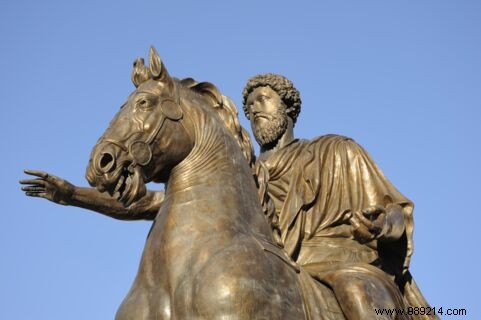
Historians note some liberties: Marcus Aurelius oversaw Christian massacres in Lyon, not the philosopher depicted. He likely died from the Antonine Plague or poisoning, not at Commodus's hands.
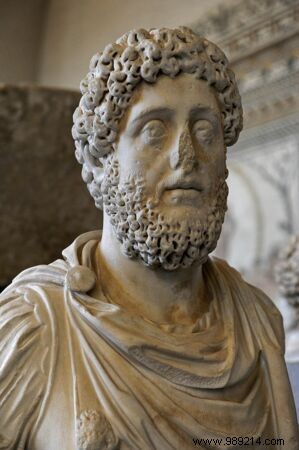
Commodus, portrayed by Joaquin Phoenix, was fair-haired, robust, and less overtly sadistic. He was strangled by the slave Narcissus in his bath, not killed in the arena.
Maximus echoes Narcissus, who killed Commodus; Spartacus's gladiatorial leadership; Claudius Pompeianus, a brilliant general and Marcus Aurelius ally; and Marcus Nonius Macrinus, a senator, general, and imperial friend.