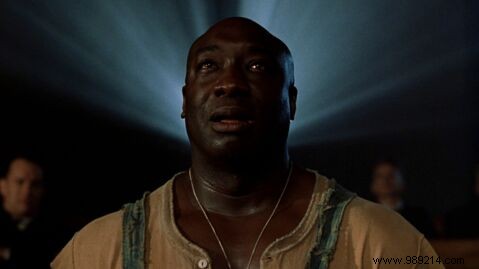
As a film adaptation that never fails to deliver an emotional punch, Frank Darabont's The Green Mile (1999) stands out. But the central figure, John Coffey, carries layers of profound symbolism far beyond its surface story.
Nothing beats revisiting timeless classics like Gladiator, Jurassic Park, or The Matrix—films that hold up beautifully for family viewing. Yet, The Green Mile, Darabont's masterful adaptation of Stephen King's novel (and the pilot director for The Walking Dead), leaves us profoundly moved. It follows the story of prisoner John Coffey, whose supernatural gifts and tragic fate challenge viewers on justice, racism, and the death penalty.
This gentle giant, wrongly accused of a horrific crime, reveals a deeper allegory that transcends simple critique.
If you've seen The Green Mile starring Tom Hanks at least once, your heart surely broke during the execution of John Coffey (Michael Clarke Duncan). Set in the racist America of the 1930s, this massive Black man is condemned for infanticide despite his innocence—a moment of pure devastation for audiences captivated by his kindness.
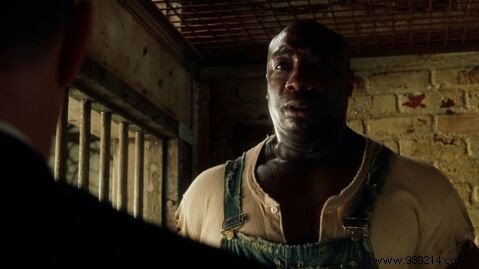
Who is John Coffey? Where does he come from? What explains his miraculous powers? And why does he accept death when his innocence could be proven? These questions linger over two decades later, echoing his poignant line: "... tired of never having a friend to talk to, to tell me where we're going, where we're from and why?"
Early on, John’s divine nature shines through unmistakable miracles: resurrecting a dead mouse, healing a woman’s brain tumor, and curing a guard’s urinary infection—expelling afflictions as swarms of black gnats. Wrongly condemned by a hateful society, he evokes overwhelming injustice.
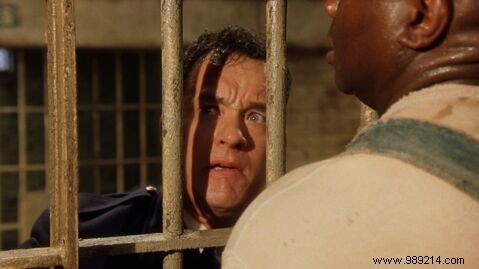
His impact on those around him, who mourn his loss until the end, draws clear parallels to Jesus Christ from the Bible. As YouTube channel Chronik Fiktion insightfully illustrates, the shared initials "JC," glowing halos in key shots, and his apostle-like guards among prison staff reinforce this. John Coffey isn’t just a character—he embodies Christ’s sacrifice.