I was 10 years old when I pirated my first track. During a Pokémon commercial break, my best friend showed me Napster—a cool new program to download anything. He asked what I wanted; I don't remember, but it'd embarrass me now. Ten minutes later, we were listening.
After Napster came LimeWire, Warez-BB, and torrents. I never reached Usenet. By 22, I'd spent almost nothing on music in those prior years.
Then Spotify arrived. In the two years since, I've spent at least $200—double my pre-Spotify lifetime total, excluding concerts. Spotify offers a free ad-supported tier and premium for ad-free, mobile access. I started free but upgraded quickly for iPhone use.
Taylor Swift pulled her music from Spotify around her 2014 album 1989, sparking headlines and debates on streaming. In a Yahoo interview, she criticized Spotify's model.
Swift's a top artist—only one with three million-selling weeks, consistent #1 singles. She deserves her success but is wrong about Spotify for most artists.
For her, pulling music worked; for 99.999% of artists, it wouldn't. Here's why.
Swift called Spotify a 'great experiment'—unfair. By early that year, Spotify hit 40 million users across 56 countries; now 50 million. Paying subscribers nearly doubled from 2013-2014.
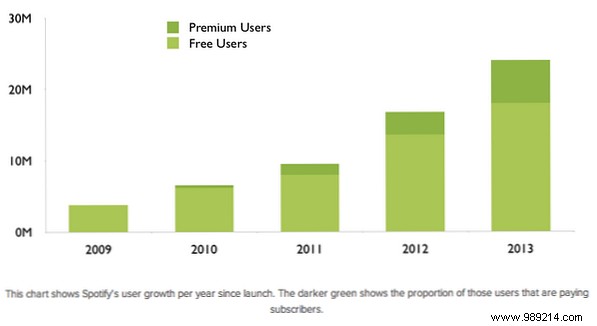
In Europe, artists earn 13% more from Spotify than iTunes royalties—Spotify outpaces iTunes there. Launched in 2008, it's no experiment; it's music's future.
Swift claims Spotify underpays creators. Spotify pays rights holders (mostly labels) $0.006-$0.0084 per stream—half to under a penny. Revenue from ads and premiums.
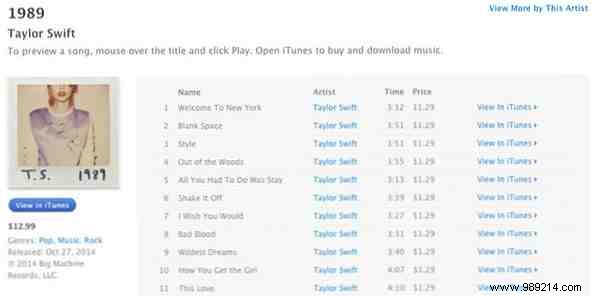
On iTunes, 1989 was $12.99/album or $1.29/track. A track needs 85-150 streams for equivalent revenue.
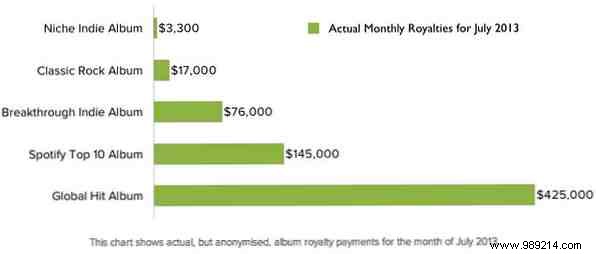
Spotify CEO Daniel Ek responded: music has value; Spotify paid $2B+ to artists vs. piracy's zero. But is $2B fair?
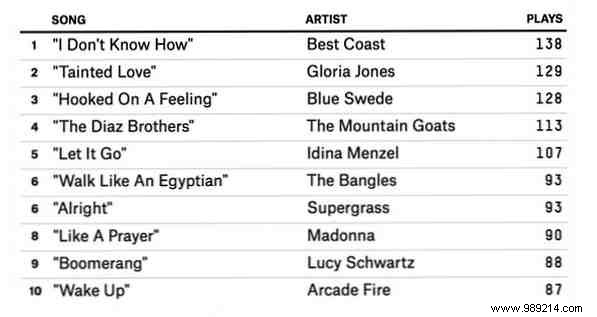
Personal data from Spotify user Walt Hickey (FiveThirtyEight): In 18 months, his top song streamed 138 times—$0.82 to the label at low rates (vs. $0.90 iTunes after Apple's cut).
Many streams aren't lost sales—they're discoveries. I found Vokab Kompany on Spotify; now hundreds of plays. Long-tail value: I revisit Blink-182 thousands of times since 2012, all via Spotify. Labels earn ongoing from streams vs. one-time buys.
Spotify estimated Swift could've earned $6M+ this year, doubling next. Why pull out? She sells CDs massively; upfront sales break records. 1% of streamers buying boosts platinum status without long-term loss.
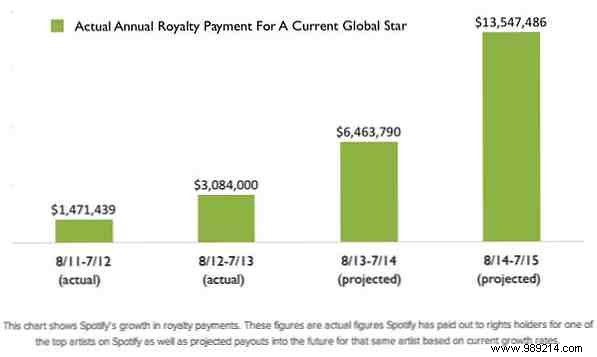
Swift's exceptional. Most artists aren't; UK hits often have day jobs. Spotify's pennies add up long-term, especially for self-owned rights.
The issue? Labels' royalty splits. Short-term, streams lag sales; long-term, they exceed.
Swift implies Spotify's free—wrong. I pay $10/month. Free tier has ads funding royalties; it's a piracy gateway.
Of 50M users, 12.5M premium (80% upgraded from free). Ads annoy into upgrading—I've been there.
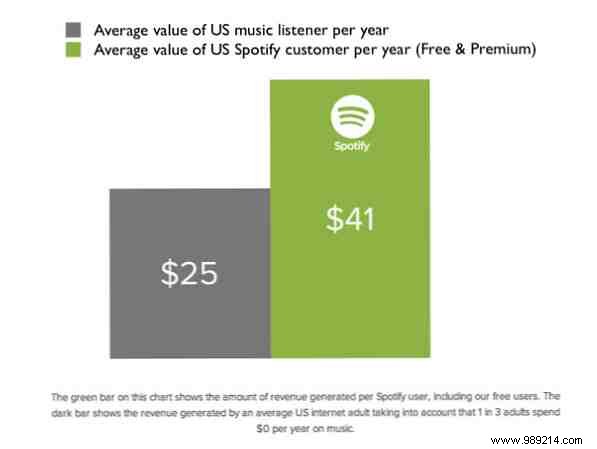
Spotify kills piracy, turning free listeners into payers.
Optimistic: Post-album hype, Spotify's economics suit Swift long-term. Her boycott fit her strategy; her critiques didn't.
Streaming's future: subscriber value trumps one-off sales. I've never spent more on music than with Spotify.
What do you think? Is Swift right, or is Spotify the future?
