The Kindle Store stands as the world's largest e-book retailer, offering over 4.6 million titles with no signs of slowing down. Yet, as an experienced tech author and avid reader who's published through traditional and self-publishing routes, I've seen the cracks emerge. Amazon faces mounting challenges in pricing, licensing, and—most critically—the flood of low-quality content overwhelming digital marketplaces.
Gatekeepers have vanished, leaving quality buried under junk: rushed manuscripts, cynical cash-grabs, and outright scams. Can Amazon fix the Kindle Store and deliver the premium experience we deserve? Let's examine the evidence.
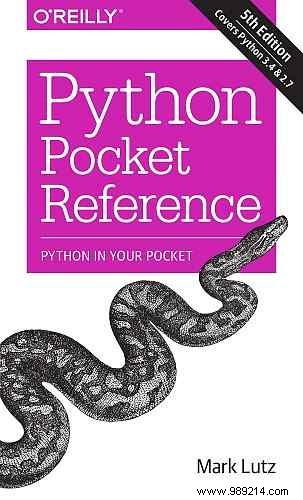
O'Reilly Media earns its stellar reputation through rigorous standards. Its books, penned by top developers and technologists, undergo thorough editorial and technical reviews. Those iconic black-pencil animal covers signal unquestioned quality, much like Nissan's logo in autos.
Yet, scouring the Kindle Store reveals blatant imitators. Books "paying tribute" to this style abound.
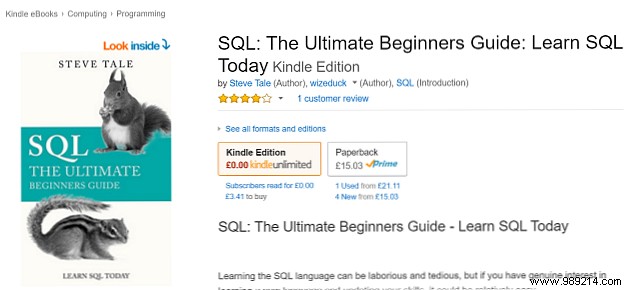
Take SQL: The Ultimate Beginners Guide by Steve Tale and WizeDuck. Its cover screams O'Reilly—but it's not. Far from it.
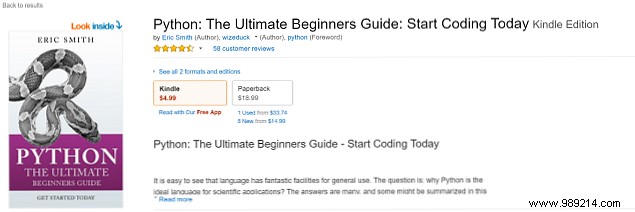
This isn't isolated. WizeDuck's Python: The Beginner's Guide by Eric Smith mimics it too.
Apress-style knockoffs also appear. Whether intentional or not, these mislead buyers, eroding trust across the board. Traditional publishers' editors or lawyers would halt such IP risks or credibility killers. But in the Kindle Store, these $4.99 titles thrive unchecked.
Many aspire to authorship, including me—I've tackled NaNoWriMo.org multiple times to write a novel in 30 days. Traditionally, breaking in meant convincing gatekeepers or footing massive self-publishing bills for production, distribution, and marketing.
Print-on-demand changed everything around 10 years ago. Platforms like Lulu.com, CreateSpace, and Kindle Direct Publishing let authors upload manuscripts for on-demand sales, no inventory required.

Now, self-published titles flood the store. As Christopher Hitchens quipped, "Everyone has a book inside them, which is exactly where it should stay." Worse, bots scrape web content—blogs, Wikipedia—into spam e-books. Some churn out dozens daily, rife with plagiarism.
Tech categories like Python or C# searches yield repackaged scraps. Amazon removes some, but the deluge wins. From my years reviewing e-publishing tools, this spam tsunami is unsustainable.
Kindle e-books, lacking print costs, often match paperback prices—a tough sell for discerning buyers.
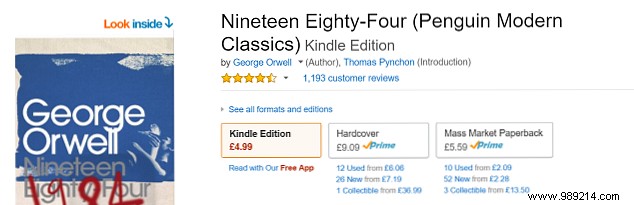
Amazon takes 30-65% cuts on self-pub plus delivery fees, but publishers dictate prices, aligning them with print. Taxes compound it: UK print books are zero-rated, e-books hit 20% VAT.
Unlike physical books, Kindle purchases grant licenses—no resales, lending, or donations. No secondary market exists.
At these prices, it diminishes value. E-readers excel otherwise, but ownership debates rage on without easy fixes.
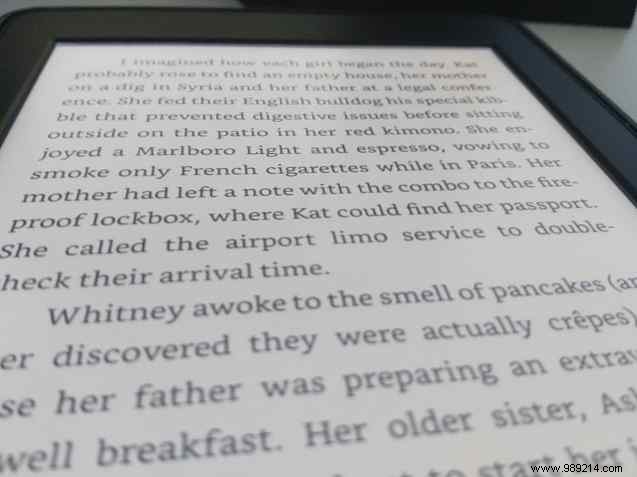
Don't mistake critique for disdain: My Kindle Paperwhite, snagged on Prime Day, is my ideal travel buddy. Hardware shines; the store needs work.
Like app stores battling junk, Amazon grapples with volume. Better reporting tools and staff could help, but pressure must mount.
What do you love or loathe about the Kindle Store? Perfect or flawed? Share in the comments—let's push for improvements.
