Great news for book lovers: the publishing industry is far from doomed. According to the Pew Research Center, 73% of Americans read a book in the past year in 2016, a slight dip from 74% in 2012. Bookstores even saw a 2.5% sales increase—the first since 2007.
Physical books remain dominant, with 65% of readers choosing print in both 2012 and 2016. E-books grew modestly from 23% to 28%, while tablets and smartphones surged: tablet e-book reading more than tripled since 2011, and phone reading more than doubled.
Reading thrives across devices. Here's a breakdown of the top options in 2016, based on real-world use and data.

As a frequent traveler and avid reader, I've relied on the Amazon Kindle for years. It's lightweight, holds hundreds of books, and its battery lasts weeks. The e-ink screen mimics paper, reducing eye strain—perfect for long sessions.
Kindle Paperwhite E-reader (Previous Generation - 7th) - Black, 6" Hi-Res Display (300 ppi) with built-in light, Wi-Fi - Includes special offers Buy Now On Amazon $119.99
The Kindle Store offers millions of titles, though self-published quality varies.

Print books top the charts at 65% usage. They're tactile, smell great, and available everywhere. As someone who browses bookstores regularly, I appreciate their shareable, ownable nature.

Beyond Kindle, options like Nook and Kobo offer variety, including waterproofing and EPUB support for non-Amazon stores.
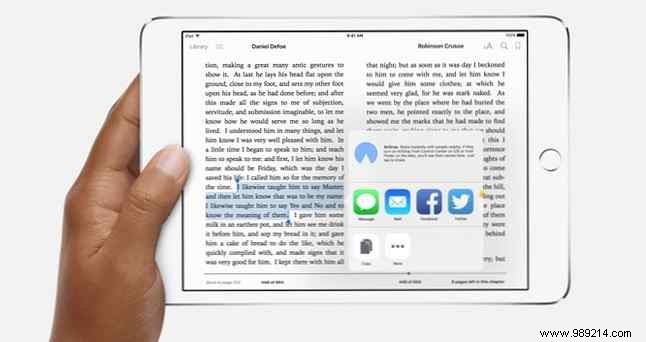
Tablets excel for color content like comics or PDFs, accessing any store via apps. But LCD screens tire eyes faster than e-ink.
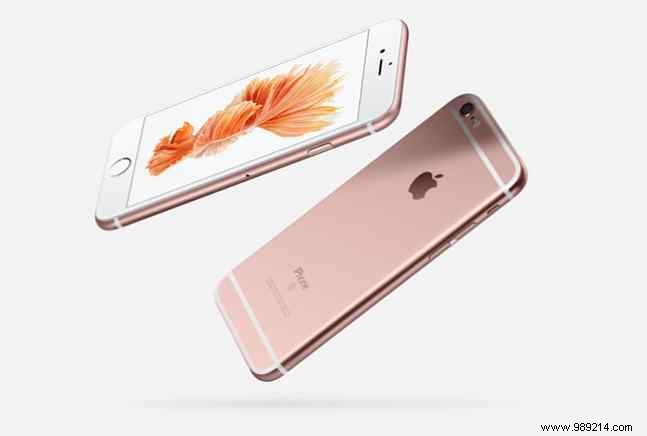
Phones are always handy for on-the-go reading, despite small screens and distractions.
Options abound: physical books endure, e-readers shine for dedicated reading, and mobiles offer convenience. The key? Just read—however works best for you. What's your preferred method? Share in the comments.
