Despite its popularity across books, films, games, and more, cyberpunk's definition remains fluid, evolving with technology and culture. This vibrant subgenre offers a thrilling dive into dystopian futures—if you know the ropes. Here's your expert crash course on cyberpunk.
As a cornerstone of science fiction, cyberpunk paints a world of advanced technology: androids, transhumanist body modifications (How Technology Can Influence Human Evolution), and blurred lines between cyberspace and reality. People live much of their lives in virtual realms, merging the digital with the physical.
Far from utopia, cyberpunk delves into the grim underbelly of this society. Governments crumble, supplanted by ruthless mega-corporations driven by profit over ethics or public welfare.
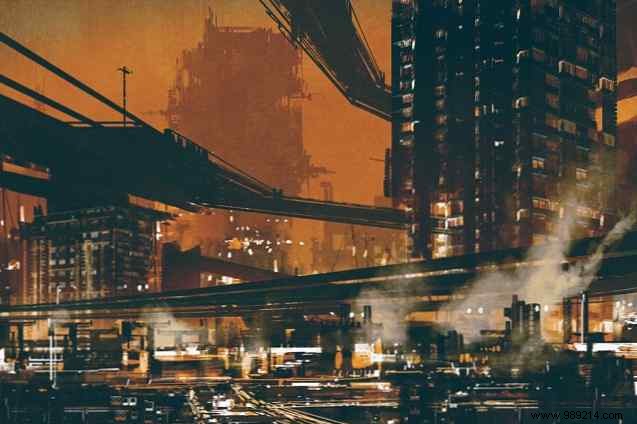
Capitalism, corruption, and conspiracies define these corporate empires, ruled by ultra-wealthy elites who carve up the world into corporate fiefdoms, enforced by private armies. National borders fade, as do racial and geographic divides. As Henry Jenkins notes of John Shirley's Freezone, it's a realm of "corporations at war, multicultural chaos, and constant advertising," capturing the borderless, tech-saturated economic dystopia.
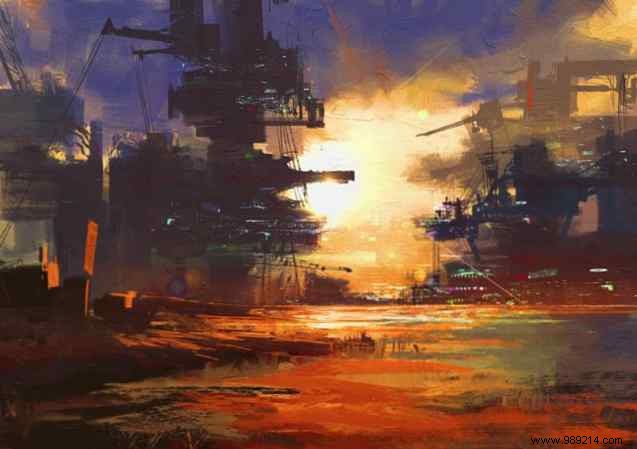
This intrigue unfolds in sprawling megacities: neon-drenched hives of humanity, billboards, and slums. Class divides are stark—elites perch in sky-scraping towers above smog-choked streets where the masses scrape by. These are the gritty homes of cyberpunk's heroes.
Cyberpunk protagonists embody "high tech, low life": outsiders navigating a hyper-advanced world from its shadows.
Hackers, dealers, rebels, ravers, transhumanists, and other fringe dwellers populate these tales. Some fight the system, others survive it, and a few couldn't care less.
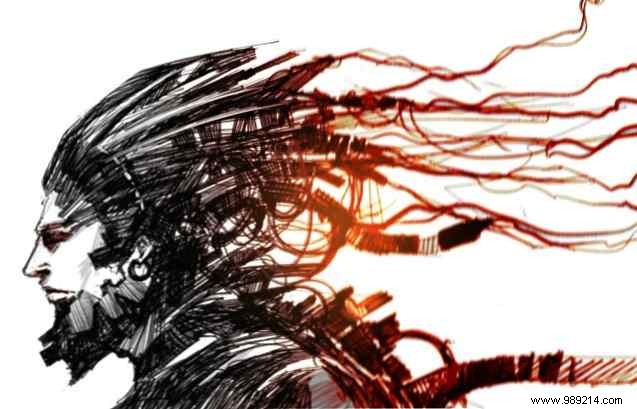
Invariably, they clash with mega-corps—exposing conspiracies, pursuing personal goals, or framed as threats. Yet, uneasy alliances form: corporations need these edge-dwellers for innovation, street smarts, and profit.
Mega-corps, megacities, hackers, and bleeding-edge tech blend into cyberpunk's compelling mix, amplifying real-world fears around data privacy, corporate overreach, transhumanism, and existential dread.

The genre adapts to new tech anxieties. Neal Stephenson's 1992 Snow Crash envisioned the Metaverse—a vast virtual world predating Second Life and MMOs. Snow Crash Snow Crash Buy Now On Amazon $10.87
Modern cyberpunk tackles cybercrimes (Top Five Cybercrimes and How to Protect Yourself), mass surveillance (Avoid Internet Surveillance: The Complete Guide), and AI risks (Why Scientists Think You Should Worry About AI).
Like sci-fi at large, it exaggerates our fears, prompting reflection on today's world.
Iconic cyberpunk spans media: Blade Runner, Neuromancer, The Matrix, Akira, Ghost in the Shell, Deus Ex, Watch Dogs.
William Gibson's 1984 Neuromancer crystallized the genre; Akira (1982 manga) and Ghost in the Shell (1989) followed. Films like Blade Runner, RoboCop, Total Recall, and Demolition Man visualized it, alongside anime adaptations.
Games shine too: Metal Gear Solid series, Shadowrun, Deus Ex. Cyberpunk gaming surges as its themes resonate.
Music echoes it—from Psydoll's electronica to Nine Inch Nails' Year Zero, Deltron 3030's self-titled album (or Fear Factory's Digimortal). Art, architecture, fashion (8 Awesome LED Cyberpunk Costume Ideas, Cyberpunk Room Design Makeover), and online communities thrive in its aesthetic.
Cyberpunk's arc reveals sci-fi prescience: Gibson's cyberspace, Dick's androids (Do Androids Dream of Electric Sheep?) became reality (3 Sci-Fi Techs That Became Real).
Yet it's a cautionary tale—today's tools for connection and data could morph into tomorrow's nightmares. Vigilance now averts dystopia.
Cyberpunk fan? Share your favorites in the comments!
