The consumer VR market is midway through its product cycles, so expectations for IFA 2018 were tempered. Yet, we hoped for more innovation than what was on display.
Major players like Oculus and HTC were absent—a missed opportunity, especially with HTC's Wi-Gig wireless adapter for Vive Pro available for pre-order from September 5. We anticipated demos, but they skipped the show.
Instead, mobile VR cases dominated, mostly unremarkable except for a clever Star Wars AR headset that transforms your smartphone (details below). Here's our comprehensive rundown of VR and AR highlights from IFA 2018.
The Acer OJO 500 (pronounced 'Oh-ho') refreshes Acer's mixed reality lineup with 1440 x 1440 pixels per eye—matching other WMR headsets and surpassing original Vive and Rift resolutions. Priced at $400/€500 (controllers optional), it features a comfortable head strap with built-in headphones that delivered solid audio in our tests. The design swaps the garish blue front for a sleek black/gray finish.
Don't be misled by 'Mixed Reality'—it's VR-only, lacking pass-through cameras. Microsoft brands all its ecosystem headsets this way. Comparable to the Dell Visor Mixed Reality Headset Review [Updated], its tracking shows promise, but await SteamVR support. For now, Oculus Rift offers better value.
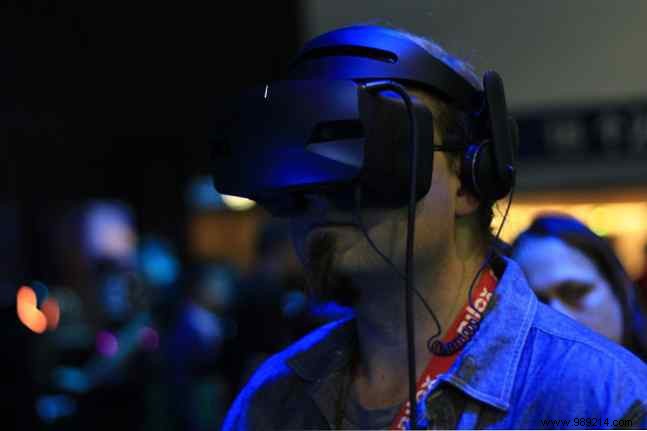
Unique detachable lens and screen simplify cleaning and storage. In our brief demo of Microsoft's Halo shooting gallery (underwhelming in VR), the resolution upgrade shone. Paired with state-of-the-art drivers, but no new controllers were revealed.
MadGaze capitalizes on AR buzz post-Kickstarter success with Android-based Vader and X5, supporting generic APKs via their SDK. Both use cameras for AR overlays on real-world views.
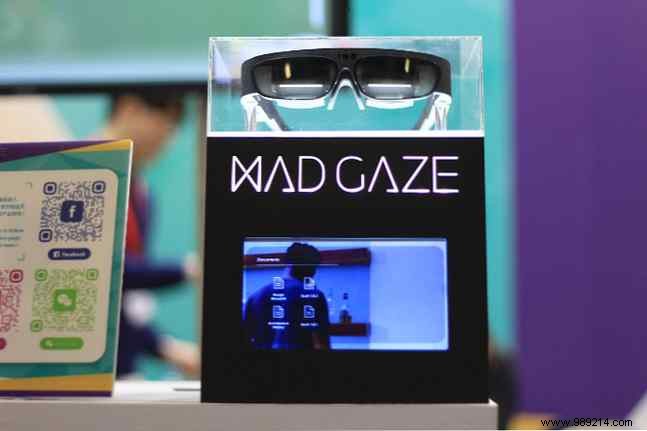
Vader, the premium model ($700), runs Android 7.0 on a 1.5GHz CPU with dual 720p screens showing camera-fed reality plus 3D overlays. Our demo felt laggy but had decent FOV; interactions via headset touch. Heavy without a proper strap, blurry over glasses for nearsighted users—still, far cheaper than Magic Leap One.
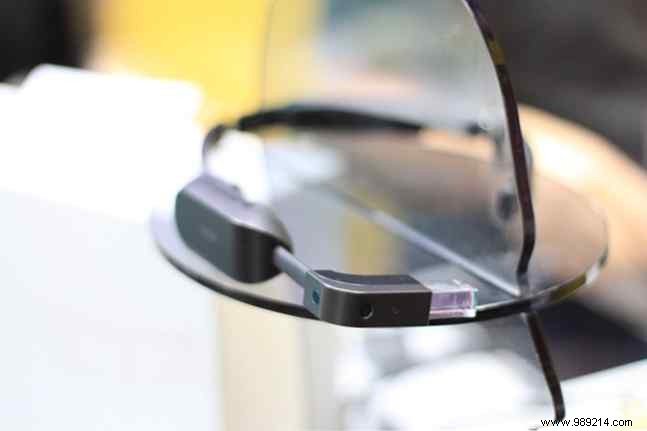
X5 ($500, Android 6.0, 1.3GHz CPU) mimics Google Glass with a WVGA (800x480) mirror display in one eye's corner. Visible even in bright lights, it fits over glasses or uses a headband—ideal for notifications or videos with custom apps.
This playset includes a smartphone VR/AR shell, tracking beacon, and lightsaber. The phone's screen mirrors for real-world passthrough with positional tracking (PSVR-level, not Vive-scale) and lightsaber detection. We tried Yoda battle; upcoming updates add multiplayer.
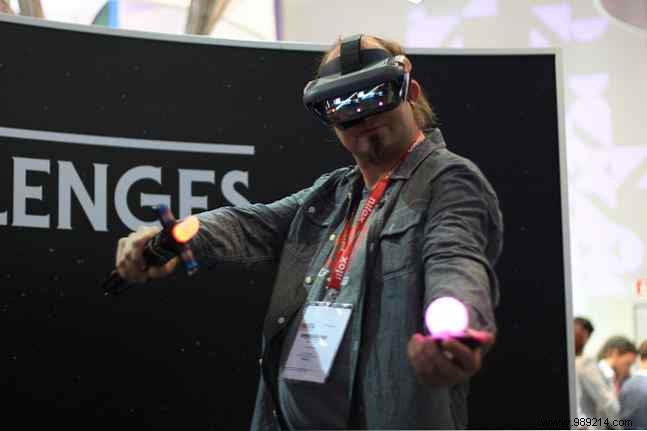
Lenovo Star Wars: Jedi Challenges – Buy Now on Amazon ($125+). At $170–$200, skip it for Oculus Go ($200-ish), which offers standalone VR, higher resolution, and vast library over three Star Wars games. Oculus Go: Best mobile VR, no phone needed.
Huawei's VR2 boasts 1600 x 1440 per eye but requires external input (DisplayPort from P20 Pro or PC). No built-in tracking or advanced controllers limits appeal. Demo used clunky third-party NoloVR—nauseating and expensive. China-only at ~$300; lacks Valve Lighthouse integration for room-scale SteamVR viability.
Far from it—VR is just beginning. Manufacturers are refining next-gen ecosystems, wary of mass-market readiness. Mixed Reality demos need more than 2D shooters to compete with flashy laptops. We'll update with any late VR/AR finds.
