Who wouldn't dream of living in the magical world of Harry Potter? As Arthur C. Clarke famously noted, 'Any sufficiently advanced technology is indistinguishable from magic.' Today, real-world innovations are turning J.K. Rowling's wizarding wonders into everyday realities.
From location-tracking maps to flying cars, several iconic gadgets from the Harry Potter series have tech equivalents you might already own or see soon. As tech experts who've tracked these advancements for years, here's how science is catching up to fiction.
The Marauder's Map reveals every corner of Hogwarts and the real-time positions of everyone inside. In our world, similar tech exists through apps that track locations.
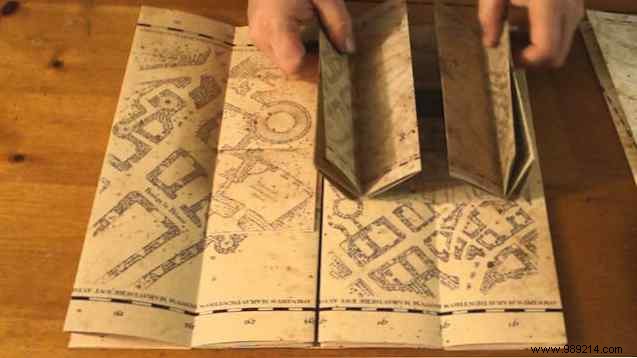
A Chrome extension displays your Facebook Messenger contacts' locations if shared. Smartphones routinely share your position with apps—often without full awareness. Check your settings to avoid unintended sharing, like revealing home or work addresses.
For family use, it's reminiscent of the Weasley Clock.
This family heirloom's hands point to members' locations: 'Home,' 'Work,' 'School,' or 'Mortal Peril.' Modern smartphones offer similar reassurance via built-in tools.
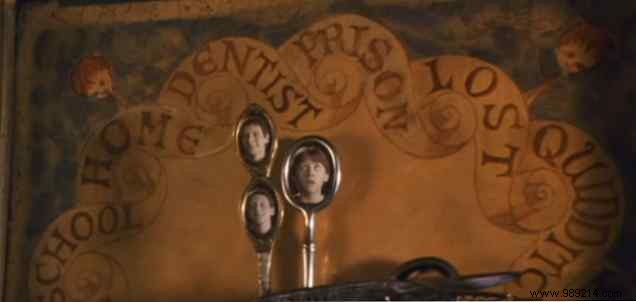
Apps like Apple's Find My track devices, helping parents monitor kids or recover lost phones. We've tested these features firsthand, recovering a misplaced iPhone via iCloud in one case.
The Weasleys' inventions extend to their enchanted Flying Ford Anglia.
Arthur Weasley enchanted this car to fly and drive on roads—or not. Echoing Back to the Future, it goes where roads aren't needed.

Companies like Terrafugia (Transition) and AeroMobil (3.0, slated for 2017) are developing roadable flying vehicles, though regulations delay widespread use. It even turns invisible.
Harry's cloak renders him unseen. Engineers are advancing 'metamaterials' to bend light around objects.
Engineer Baille Zhang demonstrated a 3D prototype at TEDx. While consumer versions are years away, defense applications loom first.
These Quidditch binoculars zoom, replay in slow motion, and provide stats. Sony's 'Vinoculars' record video discreetly, blending binoculars with digital recording.
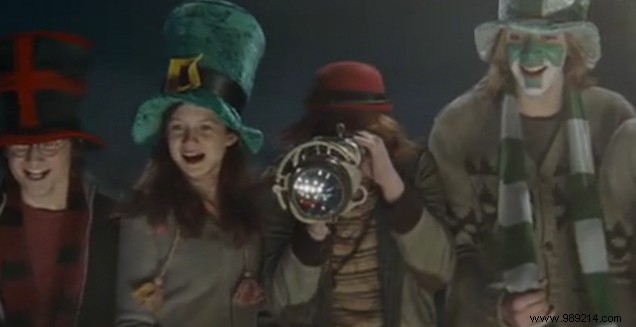
Pair with AR like Google Glass or future LED contact lenses for full immersion.
Dumbledore's basin replays memories immersively. Digital lifelogging approximates this: Facebook's 'On This Day,' photos, and videos capture moments, though lacking full sensory depth.
Harry and Sirius communicated via mirrors by name. Today's smartphones enable cross-platform video calls—anytime, anywhere.
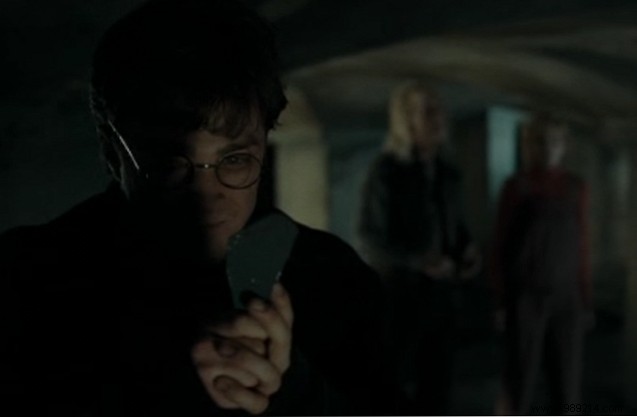
They connect globally but require data or Wi-Fi, unlike magic.
Wizard photos loop endlessly, sometimes chatting. iPhone Live Photos capture motion, while GIFs have animated the web for decades.
This quill transcribes speech verbatim—modern speech-to-text in action. Dictation writes full articles on Macs, and autocorrect handles spelling like its magical counterpart, now standard in apps and phones.
These gadgets show tech bridging fiction and reality. Harry Potter fans: Which spell or device should become real? Share in comments—bonus points for tech explanations!
Tell us your thoughts below.
