Grooveshark, the pioneering music streaming service, shut down on April 30, 2015, after a decade of legal battles with major record labels. Famous for offering free, unlicensed access to nearly every song imaginable, its demise marked the end of an era for unrestricted music discovery.
Visitors now encounter a stark message instead of playlists: an admission of piracy and a settlement with labels. This came despite earlier claims from its CEO in 2012 that music should be free, with artists relying on live shows for revenue. As streaming giants like Netflix and Spotify reshaped the industry, Grooveshark's model became untenable.
How did it survive so long, and what does this mean for fans? As a tech journalist who's covered streaming evolution since the early 2000s, let's break it down.
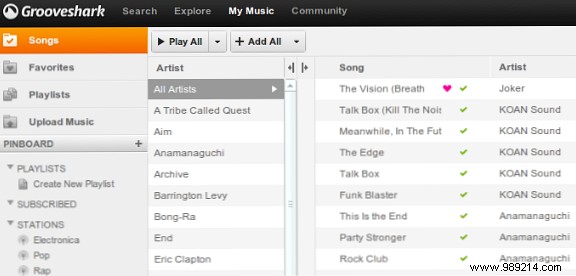
Grooveshark was a web-based platform for instant, free music streaming. Search for any artist, album, or track, and play it immediately. Its library rivaled YouTube's breadth, thanks to user uploads filling gaps in official catalogs.
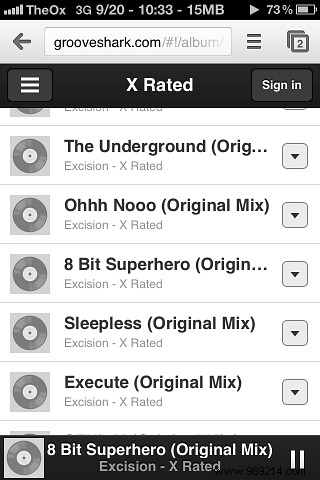
Mobile apps were pulled from Apple and Google stores, but an HTML5 site ensured browser access on phones.
Users loved its vast selection, including rarities unavailable elsewhere, making it a go-to for music enthusiasts.
Like early YouTube, Grooveshark hosted pirated content without robust safeguards. It complied with DMCA takedown notices but saw songs re-uploaded swiftly—often by users, they claimed.

Leaked emails revealed employees uploading tracks themselves, forcing a settlement. Labels now control the service, spelling the end.
Music industry analyst Mark Mulligan credits "good lawyers" who exploited legal loopholes and appeals, per The Atlantic. But patience wore thin as evidence mounted.
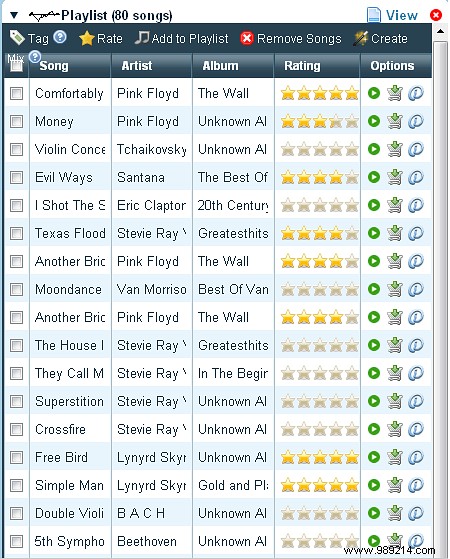
Playlists and favorites are lost forever. Tools like GrooveBackup offered slim recovery hopes, and browser caches are unreliable. Labels won't revive it in its original form—Jay-Z's Tidal flop underscores the industry's streaming struggles.

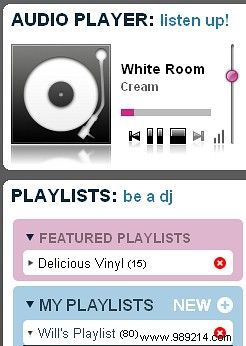
In 2008, it required desktop software and email verification for access. Users even "bought" used MP3s from peers, deleting originals—a feature quickly challenged.
The pattern persisted: innovative but unauthorized.
The writing was on the wall for years. Savvy users likely switched to Spotify, Rdio, or YouTube. What are your go-to alternatives today? Share in the comments—hidden gems welcome.
