Dementia affects one in 10 people, progressively impairing memory, mood, and cognitive functions. While there's no cure, targeted interventions like mental stimulation can help individuals reconnect with their life stories and cherished memories.
Enter the iPod—a surprisingly effective tool in dementia care.
Music from a person's past can spark remarkable improvements in those with dementia. Studies show it enhances memory, lucidity, and communication. A viral video of Harry, an Alzheimer's patient, illustrates this vividly. Initially withdrawn and unresponsive—as neurologist Oliver Sacks described him as "inert, perhaps depressed, unresponsive and almost lifeless"—Harry transformed when given an iPod Shuffle with his favorite religious music. He sang, rocked, and became animated. Even after the music stopped, he remained alert, answering questions in detail about his love for music and past dances with singer Cab Calloway.
This phenomenon is backed by neuroscience.
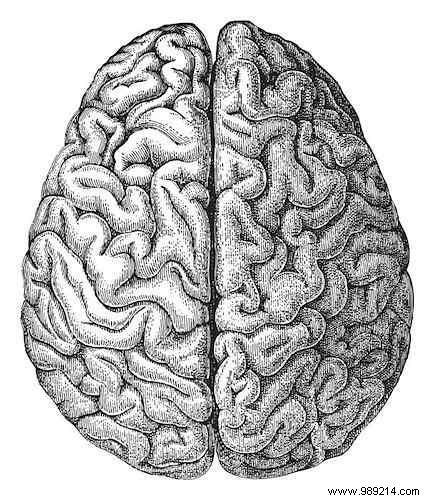
Despite our limited understanding of the brain, we know Alzheimer's—responsible for 70% of dementia cases—spares musical processing until late stages. Music engages multiple brain regions, preserving rhythm recognition and emotional responses when other faculties fade. The Alzheimer's Foundation of America notes that dancing to familiar tunes with loved ones evokes affection and memories.
Oliver Sacks highlighted music's ability to unlock autobiographical recall. Charities in the US and UK now provide personalized iPods to harness this.
BBC presenter Sally Magnusson founded Playlist for Life after witnessing music's impact on her mother's dementia. Her book, Where Memories Go: Why Dementia Changes Everything, details this journey. The charity supplies personalized music players and trains caregivers.
At Carlingwalk House care home, Magnusson launched online training. Caregivers report husbands becoming happier and more attentive, wives calmer and more approachable during playlist sessions.
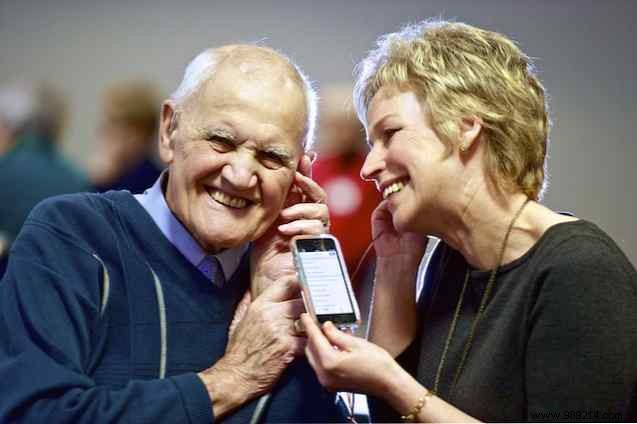
In our interview, Magnusson shared: "Everyone improves with their playlist—it's person-centric. Music opens a window to their past." She emphasized pre-planning playlists from youth eras (teens to early 20s), including hymns, show tunes, or war songs.
Playlist for Life's upcoming app, developed with Glasgow Caledonian University and funded by health foundations, will include music, photos, videos, and communication cues for dignified care.
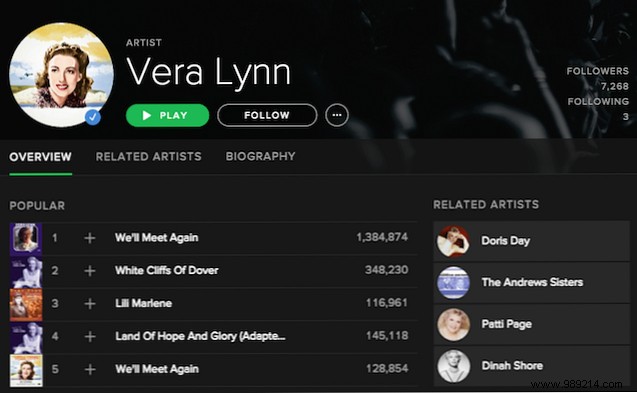
For loved ones with dementia, craft personal playlists:
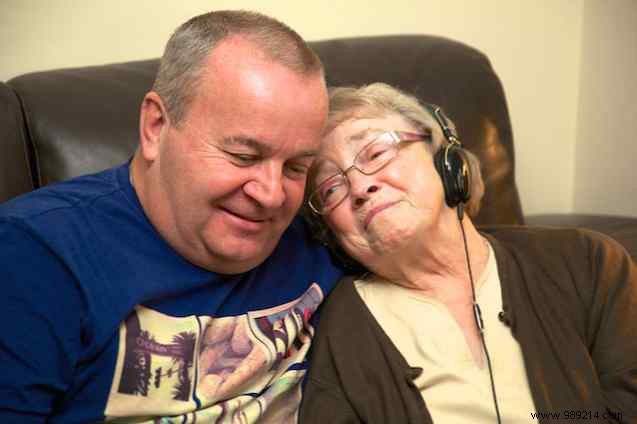
If agitation arises from heightened awareness, pause and comfort.
Music's deep neural bonds withstand dementia, offering affordable, scalable relief. Organizations like Playlist for Life are leading the way toward widespread adoption in care settings.
Have you seen music transform dementia care? Share your experiences below.
