Movie theater attendance plunged in 2014 to levels not seen since 1995, with the sharpest drop among 14-24-year-olds. The cinema industry faces a crisis. As a longtime film enthusiast who's visited local theaters only twice in the past five years—due to disappointing experiences—I believe theaters must evolve to survive against streaming giants like Netflix, Hulu, and Amazon Prime.
Streaming offers unmatched convenience at home, often without the need for pants. For those venturing into torrents, handling copyright notices requires caution. Theaters can't win on convenience alone; they must deliver unparalleled experiences. Here are proven, innovative strategies drawn from successful implementations worldwide.
Forward-thinking cinemas are elevating the viewing experience, boosting attendance and revenue. Leading examples include:
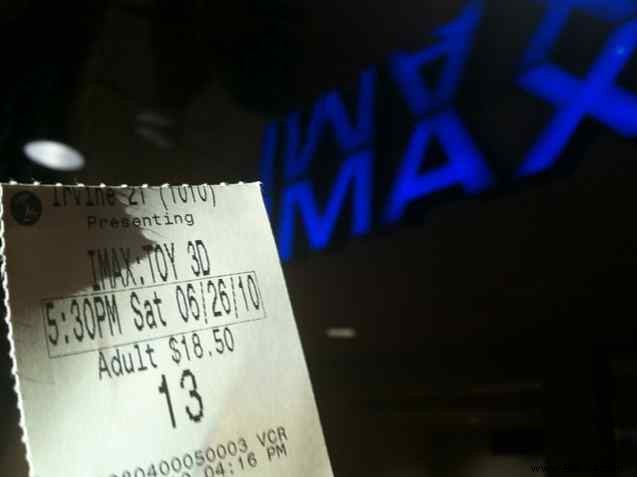
IMAX theaters: No home setup rivals the massive screens and immersive sound of IMAX or IMAX domes. Films like Avatar and Interstellar transform from good to unforgettable, justifying premium ticket prices.
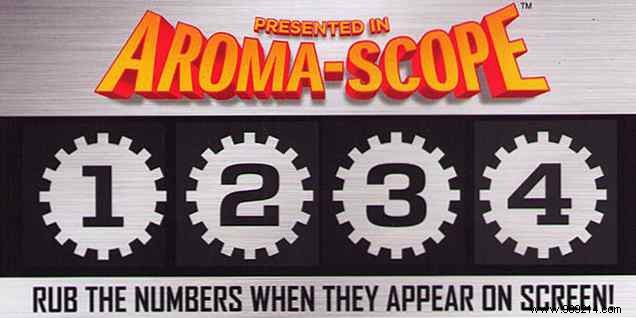
Sensory enhancements like smell-o-vision: Though scents predate sound in film history, modern theaters rarely use them due to high costs. Theaters could pioneer targeted fragrances for key scenes, impossible to replicate affordably at home.
Kinetic seating: Borrowing from theme parks like Six Flags, seats that tilt, spin, and vibrate sync with on-screen action—from car chases to door slams—reminiscent of the Nintendo 64 Rumble Pak. Premium pricing could make this profitable.
Themed layouts: Inspired by the world's most beautiful cinemas, imagine hot tub 'seats,' year-round beach-themed floors at 78°F, or dine-in hybrids like The Movie Tavern.

Cinemas should evolve beyond screenings: pair movies with full dinners, craft beers, coffee, or ice cream to create social destinations.
Shift from mass audiences to personalized experiences. Rent private rooms like karaoke booths for individuals or groups—smaller than traditional theaters but superior to home TVs.
Benefits include privacy (no chatty strangers), comfort (lounge freely), on-demand libraries (old and new films), pause for breaks, food service, and reserved spots. Tiered pricing by room size maximizes revenue.
Many theaters hesitate to eject disruptors, fearing lost ticket sales. Yet, interruptions—talking, texting, crying babies—drive loyal fans away.
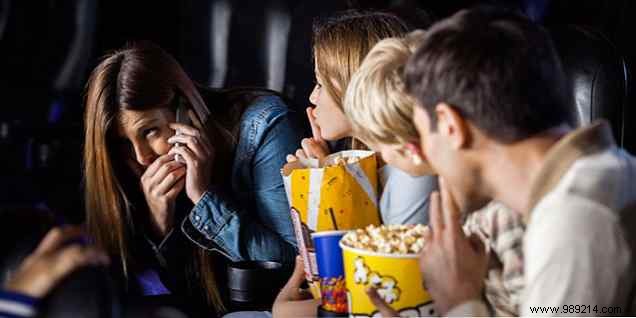
Alamo Drafthouse proves strict policies work: No kids under 6, under-18s with adults, zero tolerance for talking or texting. They outperform AMC, Regal, and Cinemark by prioritizing patron experience.
Adopt gaming's microtransaction model: Free basic entry draws crowds, upsells fund operations. Sell merchandise (e.g., Interstellar soundtracks), premium seats ($25), recliners ($10), love seats ($20), or kinetic options ($30).

Offer unlimited visits for a monthly fee, like Cineworld's Unlimited Card (£24 for basics, £29 including premium West End theaters).
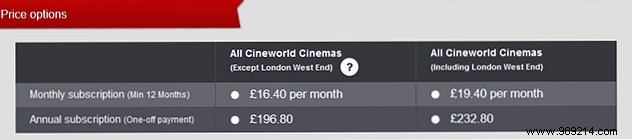
As a chain-specific service, it avoids MoviePass restrictions. Fixed overheads make overuse negligible, ensuring steady revenue like gym memberships.
Are you satisfied with today's cinemas? What changes would bring you back? Is it too late? Share your thoughts in the comments.
