Win the prize for the most beautiful garden this year! Gain an edge with natural homemade compost. Whether to cut costs or go eco-friendly, dive into creating your own. Here's our expert guide.
What is compost?
Compost is a natural, non-polluting fertilizer derived from plant and animal waste. This waste breaks down through exposure to air oxygen, kicking off the composting process—degradation followed by maturation—driven by bacteria and fungi. Not the most glamorous process, but incredibly effective for gardeners.
Once broken down and blended, this organic matter becomes a premium fertilizer that enhances plant growth in your garden.
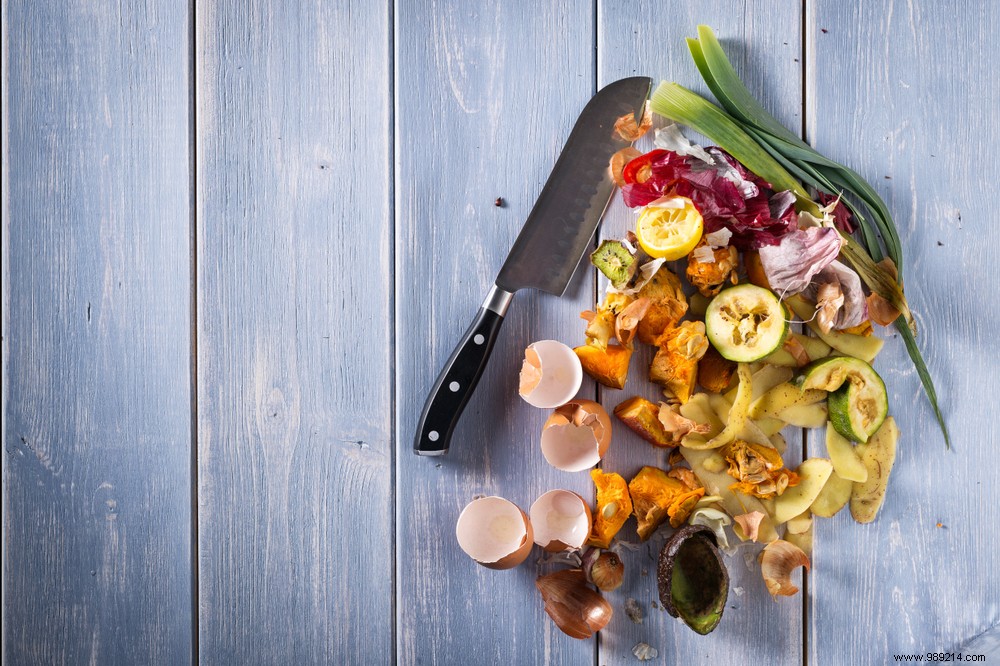
To make your own, use everyday scraps:
Always ensure materials haven't been treated with chemicals.
Secrets to successful composting
Adopt these three key habits for great results:
Why compost benefits your garden
Creating compost is simple and rewarding. Here's how it transforms your garden:
Compost enriches soil fertility, mimicking forest humus through microbial action. It's ideal for vegetable patches, flowers, and diverse plantings.
Homemade compost: The ultimate green choice
Beyond garden gains, composting helps the planet. By recycling organic waste (about 30% of household trash by weight), you cut collection, incineration, and landfill needs—meaning fewer trucks and lower emissions.
Skip chemical products that harm soil. This small step saves money too—no need for bagged soil, fertilizers, or pesticides.
Check with your local council for a free composter
Many municipalities offer composters and dry materials. If you have garden space, contact your town hall today.
Recycle waste into treasure, save cash, and garden responsibly. Your plants will thrive—start composting now!
