Music streaming has exploded in popularity, with services like Spotify delivering impressive value even on free plans. Yet one standout option often flies under the radar: Amazon Prime Music.
Launched in 2014 to lukewarm reception due to missing features compared to rivals, Prime Music has evolved significantly. As someone who's tested it extensively alongside Spotify and others, I can attest it's now a compelling choice—especially if you're already an Amazon Prime member. Let's dive into the key reasons why.
The only way to access Prime Music is via an Amazon Prime subscription, priced at $99 for the full year in the US—that breaks down to just $8.25 monthly, far cheaper than competitors.
Spotify, Apple Music, and Google Play Music All Access each cost $10 per month, totaling $120 annually. That's a meaningful $21 savings with Prime Music alone.

Students get even better deals through Amazon Prime Student: a six-month free trial followed by 50% off. Compare that to one-month trials from Spotify and Google Play Music, or three months from Apple Music—only Spotify matches with a student discount.
Crucially, nearly half of American households already subscribe to Amazon Prime, making Prime Music essentially free for them. No need to pay extra $120 yearly on top of your $99 Prime fee.
As a later entrant, Prime Music borrowed the best from pioneers like Spotify, Apple Music, and Google Play Music. It supports web players, desktop apps, and mobile apps for Android and iOS.
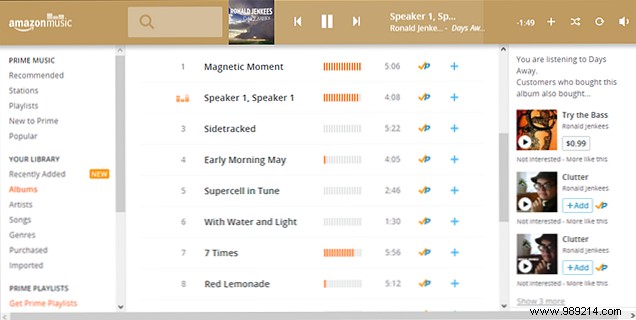
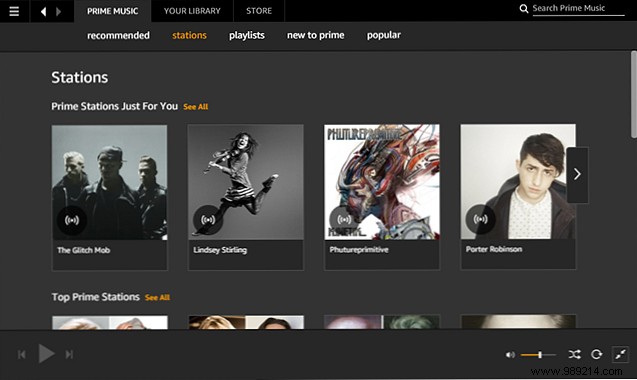
Switching from Spotify myself, I found the web player refreshingly minimalist—easy to navigate, no clutter, everything just a click away. It grows on you quickly.
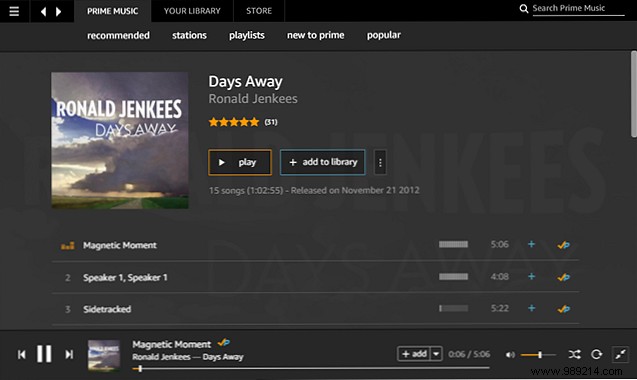
The desktop app mirrors mobile simplicity with tabs, ample space, and a smooth dark mode. Performance shines even on average laptops like mine—responsive and buffer-free.
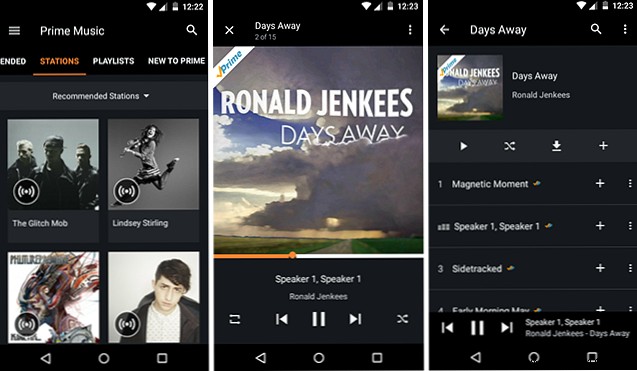
Mobile apps are snappy, intuitive, and remarkably lightweight at 13 MB. The library boasts around 1 million songs—smaller than Spotify's 30 million or the industry average of 15 million, but US-focused and relevant, skipping less popular international tracks.
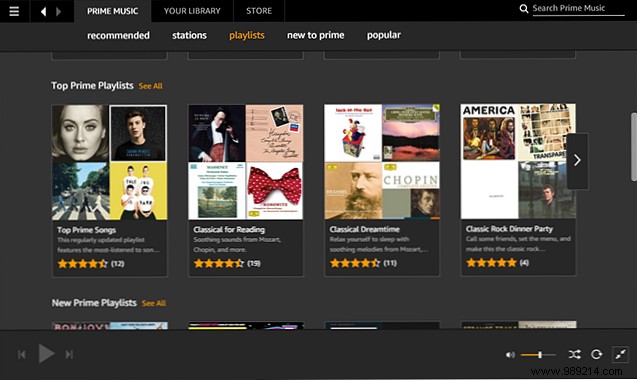
Create custom playlists or enjoy hundreds of expertly curated ones for moods like Relax, Travel, Study, Party, and more. Download for offline playback (via the app only, due to DRM). Ad-free Major Stations personalize based on your ratings, Pandora-style.
Audio quality ranges from 48 Kbps to 320 Kbps (above the 256 Kbps standard), with options:
Library size aside, the features make Prime Music a strong contender.
Unlike most streamers where missing tracks mean no access (remember Taylor Swift pulling her album from Spotify?), Prime Music lets you upload your own files.
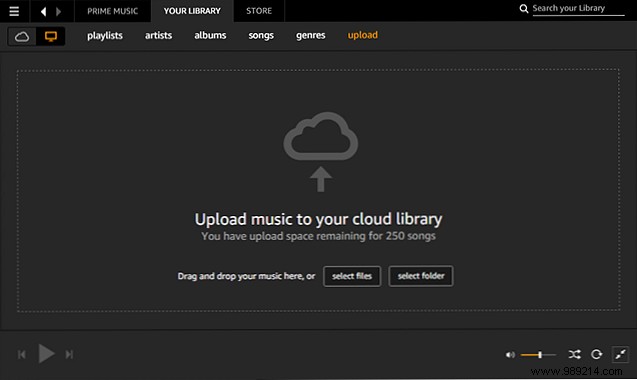
Built on Amazon Music's cloud locker roots, it syncs your library across web, desktop, and mobile. Start with 250 songs free; upgrade to 250,000 for $25/year.
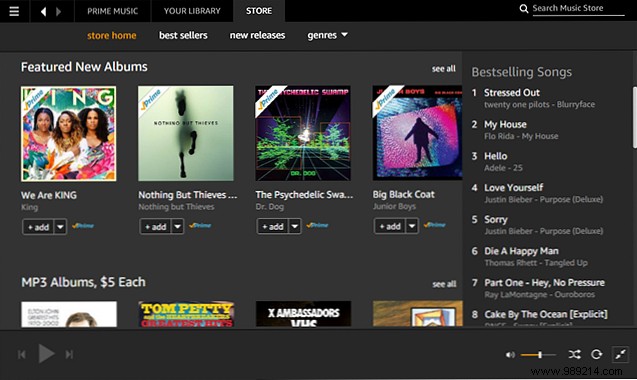
Buy tracks or albums directly—they integrate without hitting upload limits, accessible from any player.
Prime Music comes bundled with Amazon Prime's ecosystem: "The only music streaming service with free two-day shipping." It's a game-changer.
If you're a Prime member, you already get:
Students may have some restrictions, but the bundle undercuts standalone music services.
It's not for everyone—the catalog is smaller. But for Prime users or budget-conscious listeners, the savings, features, flexibility, and extras make it shine. Try the free trial if you're not subscribed.
Love Spotify? Optimize it fully. But give Prime Music a spin—it's transformed for me.
What’s your take on Amazon Prime Music? What would make you switch services? Share in the comments!
