As a Netflix subscriber, your viewing options hinge on your location due to strict geo-restrictions. UK users miss out on U.S. exclusives like certain Star Trek content, while Americans can't access as many BBC shows.
To bypass this, many turn to VPNs (Virtual Private Networks). These tools route your connection through servers in other countries, masking your true location—for instance, letting a UK user appear U.S.-based.
That workaround may soon end. Netflix recently announced in a blog post it will target VPN and proxy users to comply with content licensors. But how effective will this "evolving proxy detection" be?
Netflix remains tight-lipped on specifics, dubbing the update "Evolution of proxy detection" with rollout "in the next few weeks." Still, experts can infer likely methods.
Your typical Netflix stream comes via residential ISPs like Cox, Comcast, AT&T, or Google Fiber. VPN servers, however, reside in data centers with specialized high-traffic ISPs lacking residential traffic shaping. Netflix can spot these anomalies from incoming connections alone.

Blacklisting known static VPN IPs is another straightforward tactic, as these don't rotate like residential ones. VPN misconfigurations, like port forwarding or NAT issues, can also leak real IPs—a common flaw we've covered extensively.
Behavioral red flags help too: rapid switches between U.S., UK, and Canadian libraries scream VPN. Even Concorde wasn't that fast.
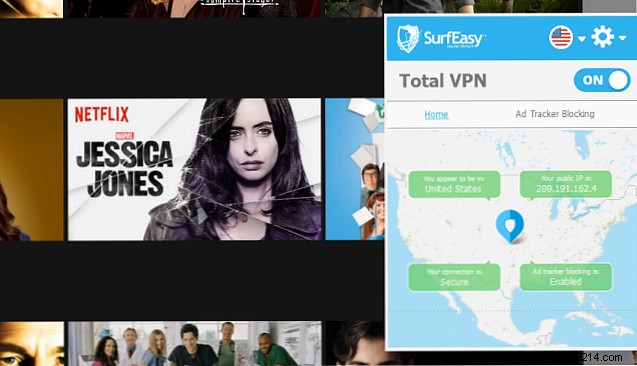
Peer-to-peer services like Hola Unblocker, which use other users' connections instead of data centers, pose a trickier challenge. Netflix's response remains unclear.
If all else fails, Netflix could enforce strict region-locking, blocking access outside your home country—a unpopular but foolproof move, especially for travelers.
Netflix, with nearly 20 years of experience, deep pockets, and top engineers, will likely block most casual VPN users. Exotic workarounds may emerge for tech-savvy folks, but they'll be complex.
Expect an arms race akin to ad-blocking wars: publishers released anti-AdBlock tools, prompting ever-more sophisticated blockers. No end in sight.
This could revive piracy. Streaming services like Netflix and Spotify slashed online piracy—BitTorrent traffic fell from one-third of global internet in 2004 to 6% by 2014, while Netflix hit 36.5% of North American peak downstream traffic. Remove easy access, and users may pirate, especially in regions with limited libraries.
Users are frustrated, but history favors circumvention. Early 2000s DRM crippled media: unrippable DVDs, locked iTunes tracks, clunky Steam. Backlash led to DRM's demise—MP3s went unprotected, Linux DVD rippers proliferated, Steam evolved into a beloved platform with achievements and trading cards.
DRM failed; VPN blocks will too. Netflix's announcement drips reluctance, calling geo-restrictions a "historical practice" it hopes to ditch. This is their first crackdown since streaming launched in 2007—pressured by licensors, not choice.
With expansion to 190 countries and original content booming, Netflix's leverage grows. Global licensing and originals free from regional limits seem inevitable.
Do you use a VPN for Netflix? Worried about losing regional access? Think Netflix can kill VPNs for good, or is it just placating licensors? Share in the comments.
