Launched in 2000, The Sims has become an iconic life simulation franchise, outlasting many contemporaries despite early doubts from publishers. This guide is available as a free PDF download: Download 'What is the difference between the Sims games?' now. Feel free to share it with friends and family.
Over two decades later, it remains one of gaming's top sellers, boosted by features like Sims 4 mods that keep communities thriving. But how has it evolved? Drawing from years of playing every installment, this expert comparison breaks down highlights, innovations, and drawbacks across the mainline games.
The Sims (TS1) revolutionized gaming—see our list of 10 video games that changed the world for context. Will Wright's vision quickly became the best-selling PC game ever at the time.
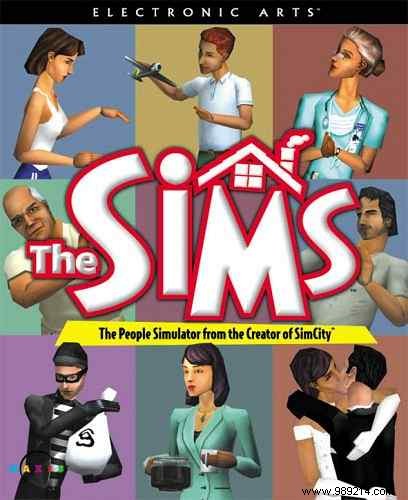
Houses sit on lots in simple neighborhoods of about 10 lots each. Base game offers one residential neighborhood; expansions added community lots. Lots load independently, and Sims can't travel between neighborhoods.
Three stages: baby (ages to child in three days), child, and adult. No aging beyond that—adults only die from accidents; children stay young forever.
Revolutionary for 2000, but simplistic today. Driven by needs like hunger and sleep—no wants or aspirations. Basic customization: pre-made heads/bodies, three builds (slim, fit, fat), pixelated graphics.
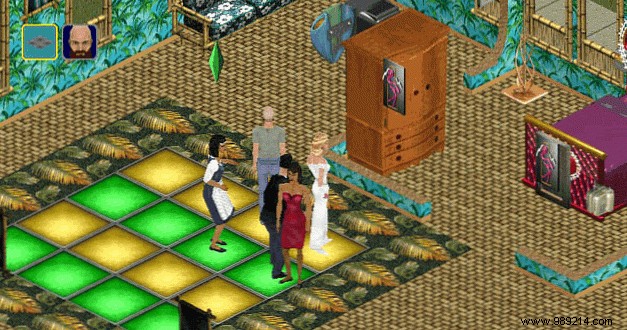
Seven expansions set future templates: Livin' Large, House Party, Hot Date, Vacation, Unleashed, Superstar, and Makin' Magic. No stuff packs.
Unprecedented personal control in simulation gaming, first true life sim. Pioneered same-sex relationships ahead of industry norms.
Pathing issues (Sims getting stuck), long load times with expansions. Graphics aged poorly by modern standards, but impressive then.
The Sims 2 (TS2) built masterfully on its predecessor, earning fan acclaim with bolder ideas like playable aliens.
Multiple neighborhoods with residential and community lots. Create new ones; expansions added sub-neighborhoods foreshadowing open worlds.
Six base stages (baby, toddler, child, teen, adult, elder) plus young adult via University. Full aging mechanics introduced.
Aspirations (life goals), wants, and fears for deeper motivation. Improved graphics: less pixelated, expressive faces, better animations. Advanced Create-A-Sim with genetics.
Eight: University, Nightlife, Open for Business, Pets, Seasons, Bon Voyage, FreeTime, Apartment Life. First stuff packs (10 total, like H&M Fashion Stuff).
Elevated stakes with aging and aspirations—more urgency than basic needs. Exemplifies strong sequels, unlike some modern flops (see Ways modern games have ruined the fun).
Load times worsened with content—even on modern PCs, like the Ultimate Collection. Fans know the drill: launch and grab a snack.
The Sims 3 (TS3) peaked in ambition and remains a fan favorite for its depth.
First (and only) open world: seamless travel between lots. Worlds sync aging; follow active households.
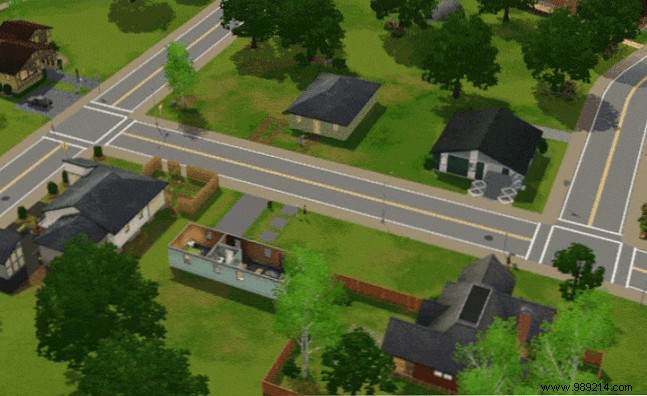
All seven from launch: infant, toddler, child, teen, young adult, adult, elder.
63 traits, nuanced personalities over point systems. Wishes and lifetime wishes for rewards. Enhanced Create-A-Sim with sliders for features, body types.
11: World Adventures, Ambitions, Late Night, Generations, Pets, Showtime, Supernatural, Seasons, University Life, Island Paradise, Into the Future. Nine stuff packs.
Comprehensive content, Create-A-Style tool, mod-friendly launcher. Open world boosts immersion; EA's top seller ever.
Bugs, performance hits from open world, long loads (see How to fix low FPS in games). Cited reasons for TS4's changes.
The Sims 4 (TS4) sparked controversy by regressing features, but excels in creation tools.
No open world—'worlds' are segmented neighborhoods (4-5 lots each). Loads between even nearby lots.
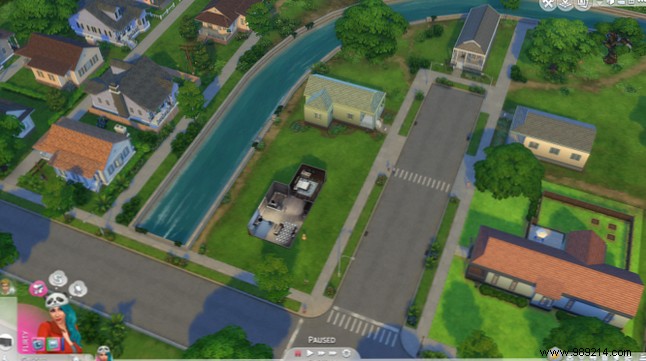
Seven technically, but toddlers added in 2017 patch; babies are crib objects at launch.
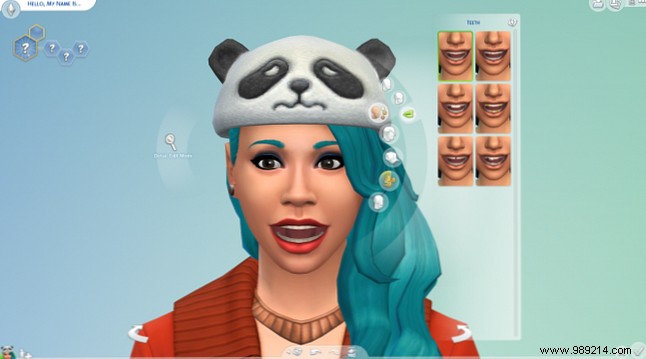
Cartoonish style aids visuals. Best-ever Create-A-Sim (drag-to-adjust). Emotions (with intensities) drive interactions, moods.
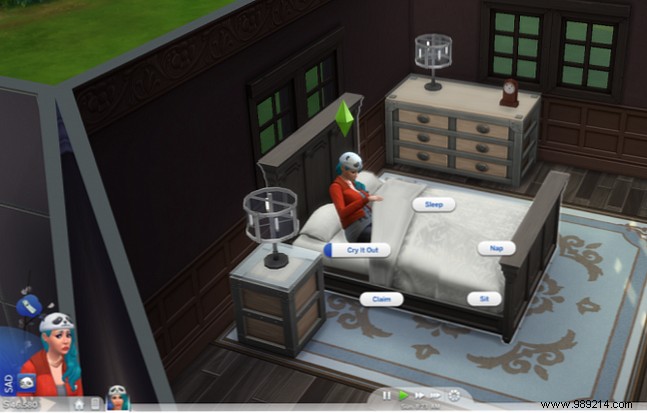
Clearer social tones (e.g., awkward chats). Progressive identity options.
Four: Get to Work, Get Together, City Living, Cats & Dogs. Five game packs, 12+ stuff packs.
Ultimate Build/Buy mode, intuitive Create-A-Sim. Faster loads, whimsical tone (see 8 weirdest sim games), inclusive features.
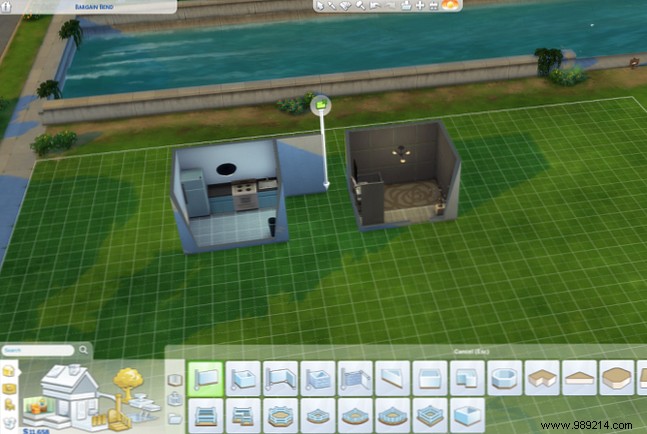
Launch lacks (no pools, toddlers); slow expansions vs. TS3. DLC criticized as content-cutting (see DLC story). Mods fill gaps; LGR's 2016 rant captures frustration.
TS4 backlash fuels rumors, but EA's live-service focus and controversies cloud the future. No direct rival yet keeps hope alive.
What's your favorite Sims game? Does the series have more life? Share below!
