Remember the days of aux cables connecting your iPod or laptop to a Hi-Fi system? Those are long gone. Wireless audio streaming has revolutionized home entertainment, eliminating cables just like VHS and MySpace faded away.
Among the top options, Sonos and Chromecast Audio stand out. Many confuse them, but their core similarities end at wireless music playback—the differences are substantial. This expert guide breaks down their pros, cons, and key distinctions to help you choose wisely.
Sonos, a leader in wireless speakers since its founding in 2002 (pre-Spotify era), started by enabling wireless streaming from personal music libraries to speakers. Today, the Sonos app streams from virtually any device and supports over 40 services, including Spotify, Apple Music, and Google Play Music.
Chromecast Audio, leveraging the success of Google's Chromecast (launched 2013, with Chromecast 2.0 updates), arrived later but quickly gained traction for affordable wireless audio.
If Sonos and Chromecast Audio seem alike, here's why they differ dramatically.
Sonos offers premium features Chromecast Audio can't match:
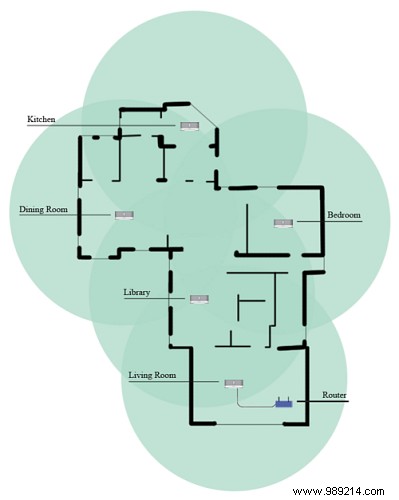
Chromecast Audio connects directly to your router, suffering from network congestion or distance issues. See the example below:
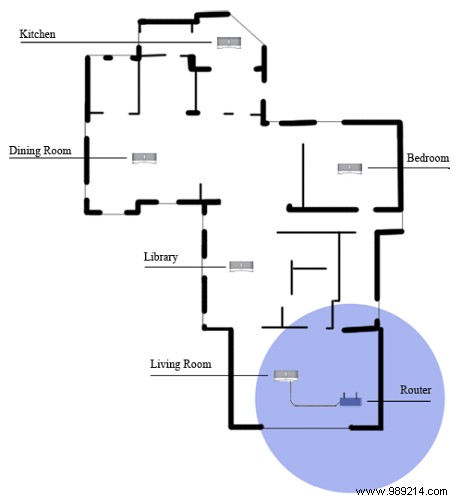
SonosNet changes that: Each Sonos device (speakers, Connect, Amp) acts as a mesh network node, extending coverage. Just connect one to your router.
The Sonos app serves as a central hub for all streaming services like Spotify and Apple Music—no need for their individual apps. Designed for 'always-on' use, it enables instant multi-room playback, filling your home with music in seconds.
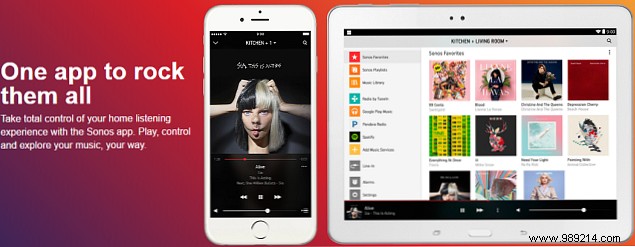
It also creates seamless playlists across sources, like Spotify tracks followed by local files or SoundCloud.
Chromecast Audio relies on casting from each app separately—no unified control, and some services (e.g., Apple Music) lack full compatibility. Each speaker needs individual activation.
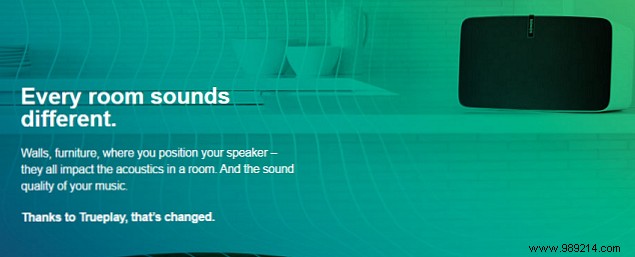
Sonos' Trueplay uses your iPhone/iPad's mic to analyze room acoustics via test tones, optimizing speaker EQ automatically. (Android support limited due to mic variations.)
Sonos syncs your hard drive collection directly via the app—no uploads needed. Chromecast requires Google Play uploads or third-party hacks, which aren't seamless.
Chromecast Audio shines in affordability and simplicity:
Sonos entry-level Play:1 costs $199 (£169), Playbar and Sub $699 (£547/£599), Play:5 $499 (£429)—with exceptional audio quality. Sonos Connect is $349 (£259), vs. Chromecast Audio at just $35.
Plug Chromecast Audio into any powered speaker's aux port for instant wireless streaming—perfect for legacy Hi-Fis.
Sonos requires pricier Connect ($349) or Amp for the same, potentially pushing users toward Sonos speakers.
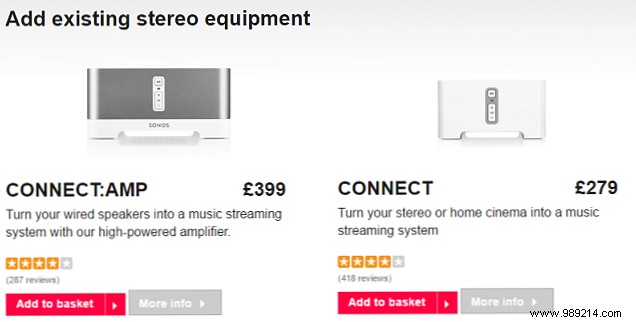
Note: Only select Sonos products have Line-In ports.
Sonos lacks dedicated outdoor speakers. Pair Chromecast Audio with weatherproof ones for $35.
Sonos excels as a premium, whole-home ecosystem with unmatched quality, design, and features. Chromecast Audio is ideal for budget wireless upgrades to existing setups—but don't expect Sonos-level performance.
You get what you pay for.
Own Sonos or Chromecast Audio? Share your pros/cons, usage frequency, and thoughts in the comments below.
