Hollywood's take on hacking often misses the mark.
Real-world hacking is painstaking, methodical work—weeks of testing for a fleeting breakthrough. Movies, however, reduce it to frantic keyboard mashing. As someone who's competed in CSAW and other cybersecurity challenges, studied buffer overflow exploits in college courses, and learned from a hacker roommate, I've seen enough to spot the fakes. Even NCIS makes my eyes bleed.
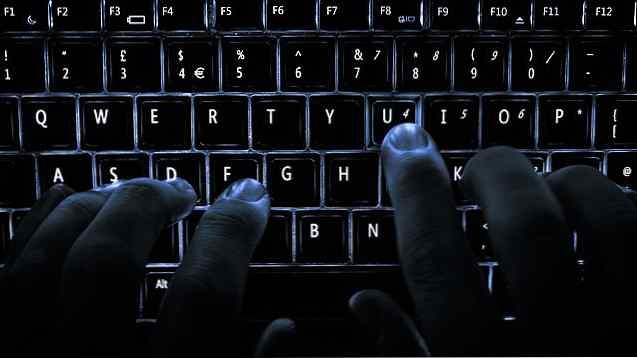
Most cinematic hacking is laughably off-base, but rare gems prove it can be done right—and memorably. Some flops veer into comedy gold. Here's our roundup of standout examples, from spot-on to so-bad-it's-good.
The Social Network, directed by David Fincher (Fight Club), chronicles Mark Zuckerberg's rise and Facebook's birth. It's a standout for its realistic tech handling that resonates with programmers.
The technical details shine—Zuckerberg's code in that dorm scene is plausible modern scripting. It's the most authentic hacking portrayal I've seen on screen. The dialogue feels a tad scripted, but it avoids over-the-top visuals.
Zuckerberg critiqued his character's portrayal, yet the film excels at making coding compelling without flashy effects or noisy typing.
WarGames (1983), with young Matthew Broderick gaming against a military AI, surprises with its accuracy. Beyond the plot's AI drama, it nails 1980s phreaking.
David hacks school grades via a sticky-note password and exploits payphone flaws for free calls—real techniques of the era. The research pays off: aside from the AI, it's a remarkably faithful snapshot of early hacking.
Blackhat stars Chris Hemsworth as a convicted hacker aiding a U.S.-China cyberterrorism task force.
Deep research yields realism: the nuclear plant virus echoes Stuxnet, which wrecked Iranian centrifuges and damaged a German steel mill. Can a cyber attack cause physical damage to your hardware? Hackers and malware shut down nuclear centrifuges in Iran and severely damaged a German steel factory. Could the software cause physical damage to your computer? Probably not, but anything related is a different story. Read more.
Screens show credible Bash, Emacs, and Linux use. Attacks like social engineering, USB air-gapping breaches, and PDF keyloggers feel plausible. Plot quirks and Hemsworth's gunplay stretch credulity, but the tech holds up.
Mike Judge's Office Space skewers cubicle life, using hacking sparingly but effectively. It earns a spot for restraint—no technobabble or CGI excess.
The virus-planting scene builds tension authentically. For non-tech films, it's pitch-perfect: suggestive without overexplaining.
Hackers (1995) wins for peak inaccuracy—gibberish jargon triggers psychedelic CG every keystroke. Utter nonsense.
Yet it captures hacker vibe, influencing culture. 10 of the world's most famous hackers (and what happened to them) white hat hackers versus black -What hackers. Here are the most famous hackers in history and what they are doing today. Read more. top 4 hacker groups and what they want It's easy to think of hacking groups as some kind of romantic revolutionaries at heart. But who are they really? What do they represent and what attacks have they carried out in the past? Read more.
The Die Hard series faltered with Live Free or Die Hard, blending hackers with wizards controlling traffic, stocks, phones, planes—and fire.
Hacking here is electronic sorcery. Can hackers REALLY take over your car? Read more. Absurd, but entertainingly so.
(Video NSFW)
Swordfish's hacking is clichéd, but infamous for the gun-to-head Pentagon hack amid desk antics. Absurdity immortalized.
Skyfall labors to botch hacking beautifully. Villain Raoul Silva's feats—explosions, jailbreaks, viral vids—are visual stunners, total fiction.
A malware-laden evidence scan is plausible, but the meter-gauges and babble? Advisors ignored.
Progress is coming. Audiences savvy up as tech ubiquity grows. Early Hollywood tech was cringey; now conventions evolve.
Even House of Cards handles security better. Encryption, proxies, signatures enter pop culture—vital as online life expands.
As execs grasp cybersecurity's relevance, expect truer depictions. It's key for audiences facing real threats.
What’s your take? Does movie hacking accuracy matter? Missed a gem or flop? Share below!
