The cinema experience is under threat. But who is truly responsible? Poor filmmaking, streaming alternatives, or audiences themselves?
Many of us cherish movie theaters for more than just the film—they create a shared environment where strangers laugh, cry, jump, and munch popcorn together. Cinema fosters connection.
Cary Joji Fukunaga, director of True Detective Season 1, recently highlighted Netflix, filmmakers, and viewers as culprits. His latest project, he noted, "was designed to be a film experienced in a group, collectively like that, with strangers in the dark [to] see this story."
Are his claims backed by evidence? Let's examine the factors.

Fukunaga argues audiences bear responsibility. Fewer theatergoers accelerate the decline. Ticket sales have dropped, though annual revenues stabilized. In 1995, U.S. revenue was $5.29 billion, peaking at $11.07 billion in 2002 alongside ticket sales. Three years before 2015, it fell to just over $10 billion, with projections holding steady.
"You have to ask the audience to be aware that they are just as responsible for the death of cinema as the people who make it," Fukunaga stated.

If audiences are staying away, is it due to lackluster studio output?
Mention "classics," and films like Citizen Kane, Casablanca, or Star Wars: A New Hope come to mind—alongside Hitchcock, The Wizard of Oz, and Kubrick. Lists of must-see movies rarely pair It's a Wonderful Life with The Santa Clause 3: The Escape Clause.
Childhood favorites endure, from Luke Skywalker's shock in Return of the Jedi to Ron Weasley's "Bloody Hell" in Harry Potter. Yet how many have seen 1922's Nosferatu, a Rotten Tomatoes-certified classic?
IMDb's Top 250 blends eras: Inception (2010), Interstellar (2014), The Pianist (2002), The Prestige (2006), and WALL-E (2008). Modern filmmakers, raised on Back to the Future, The Goonies, and Alien, deliver quality amid sequels like A Good Day to Die Hard.
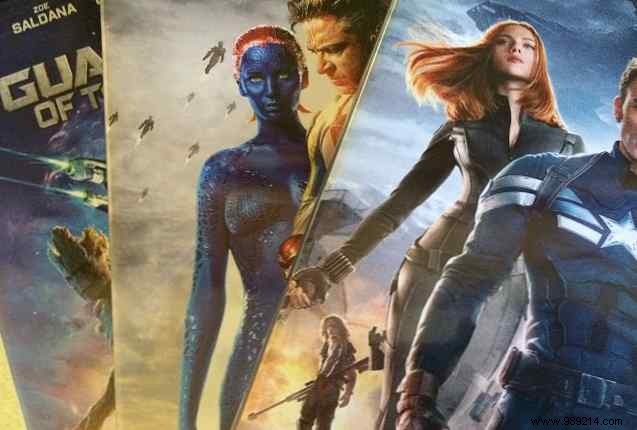
IMDb's Top 75 includes two Batman films; top-grossers feature Spider-Man (2002), Iron Man 3 (2013), and Guardians of the Galaxy (2014). Avengers: Age of Ultron shattered records. Fukunaga warns, "The cinematic experience will only be reserved for comic book movies."
Comic adaptations dominate: Man of Steel (2013) revived Superman. "I am Groot" eclipsed "I am Spartacus." DC's Suicide Squad drew Will Smith, Margot Robbie, and Jared Leto.
Geeks rule, with spectacle edging out intimate tales like The Pursuit of Happyness or The Book Thief. Epic visuals suit big screens; emotional stories thrive on intimacy. Yet The Theory of Everything, The Imitation Game, and 12 Years a Slave prove drama's pull. Superheroes still pack theaters.
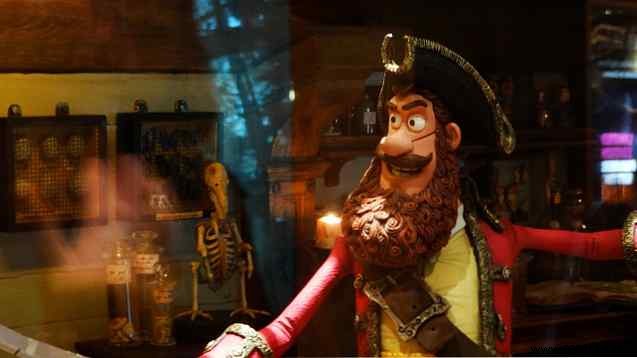
Piracy persists via BitTorrent and magnet links. BitTorrent & Magnets: How Do They Work? [Technology Explained] The Pirate Bay shifted to magnets despite ISP blocks. Top 6 Free Torrent Alternatives for The Pirate Bay.
2014's most-pirated: The Wolf of Wall Street (30M+ downloads), Frozen (29.9M). Top 20 included Marvel hits, Gravity, Captain Phillips—all box-office successes except The Legend of Hercules.
Fukunaga praises Netflix for access, debuting Beasts of No Nation there. Early streaming tempts delays over theater visits. UK services like Sky offer DVD rentals post-download.
Netflix combats piracy: Sandvine reported 34.9% peak U.S. download traffic vs. BitTorrent's 2.8% (down from 7.6% in 2011). Everyone's Guide to Torrent. A Netflix rep noted, "People steal content because they can't get it any other way."
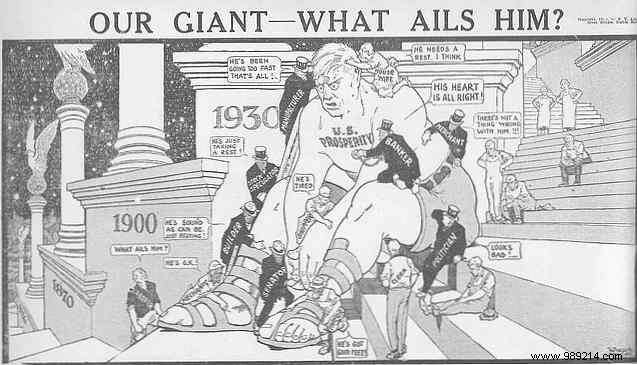
Recessions curb spending. Tickets rose from $4.35 (1995) to $8.17 (2015); UK prices higher. Snacks add up.
Post-1990s recession, grosses rebounded: Batman Forever ($184M, 1995), Independence Day ($306M, 1996), Titanic ($443M, 1997). Star Wars Episodes I/III topped years; The Force Awakens could revive passion.
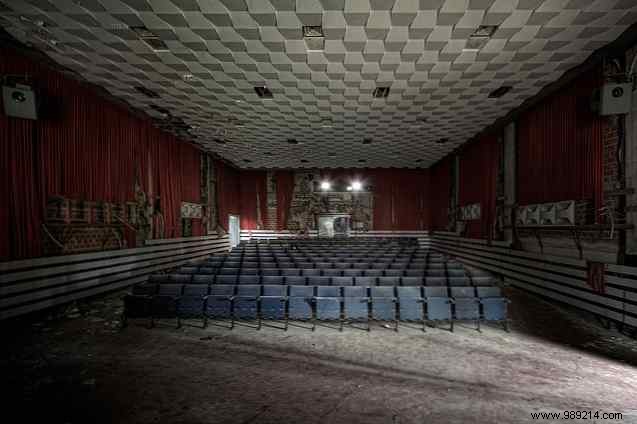
Theaters must deliver: comfy seats, balanced sound, edible food, fair prices. Many lag, especially monopolies, with sticky floors and dated facilities. My local theater upgraded its lobby after 15 years.
Audiences pay premiums for quality during 2+ hour films.
No single villain. Audiences, filmmakers, streamers, pirates, economists, and theaters all contribute.
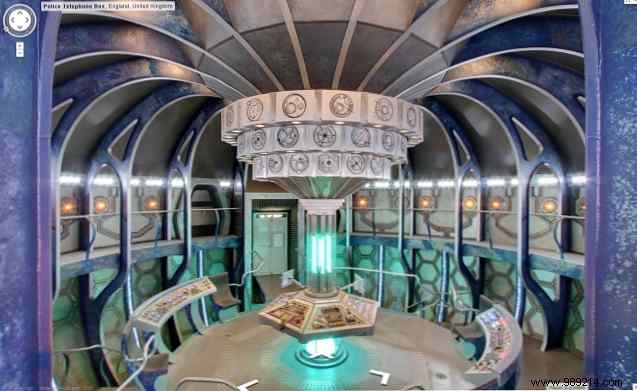
For future generations, collective action matters. Doctor Who's 50th anniversary special drew fans to theaters despite TV broadcasts, earning $10M in three days.
Show enthusiasm, and this isn't the end.
