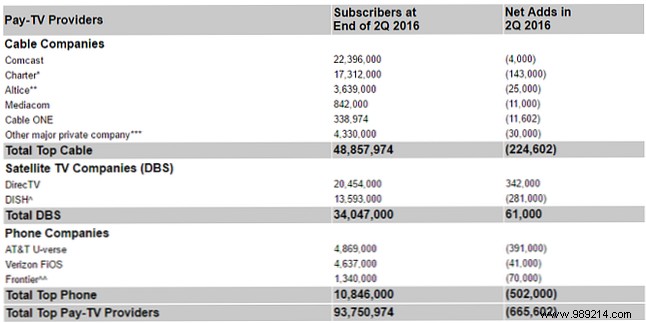
As a cord-cutting veteran since 2013, I've helped countless readers navigate the shift from traditional cable. While cable TV remains common, it's often plagued by subpar content, endless ads, and skyrocketing costs—prompting many to consider alternatives. You're not alone: Leichtman Research reported that the 11 largest U.S. cable providers lost 665,000 subscribers in one 2016 quarter alone, with revenue projected to drop $2.7 billion over the next decade.
That said, cord-cutting isn't ideal for everyone. There are real trade-offs. Here are 10 essential questions to ask before canceling your cable subscription.
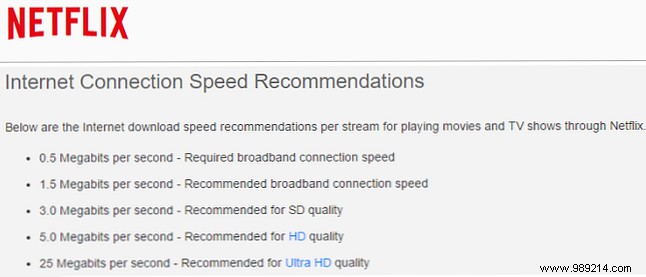
Streaming relies entirely on your internet. Netflix requires at least 0.5 Mbps to connect, but recommends 3 Mbps for standard definition (SD). For 4K on a large TV, aim for 25 Mbps minimum. In the U.S., only 25% of users average over 15 Mbps—test yours first.
Sharing accounts might seem like a money-saver, but most services like HBO GO prohibit it in their terms. Providers monitor logins and can terminate access. Play it safe with personal accounts.
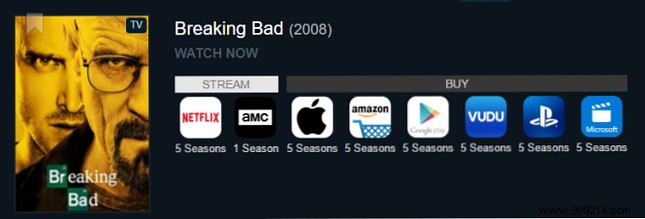
Not all cable content migrates seamlessly. Services like Netflix, Hulu, and Amazon Prime are prioritizing originals over licensed shows. Use tools like Can I Stream It or JustWatch to check availability across Netflix, Hulu, Amazon Video, HBO Now, and more. Be prepared for sacrifices.
Netflix vs. Hulu vs. Amazon Prime: Which One Should You Choose? Read more
Beyond subscriptions, factor in hardware for TV viewing. Skip basic sticks like Chromecast; opt for robust options like Roku 4 ($83–$105) or Apple TV ($149+). With multiple TVs, costs add up quickly.
Roku 4 | UHD HD and 4K Media Player with Enhanced Remote (Voice Search, Lost Remote Finder and Headphones), Quad-Core Processor, Dual-Band Wi-Fi, Ethernet and USB Port Buy Now On Amazon $105.00
What is the best media streaming device? Read more
Net neutrality ensures equal treatment of web traffic. U.S. ISPs like Comcast fought it, but courts upheld broadband as a utility in 2016. Without it, providers could throttle Netflix while favoring their own services—a risk for cord-cutters.
A simple explanation of net neutrality. Read more
Streaming often lags cable by days or weeks, risking spoilers on social media. If you thrive on real-time buzz, this delay might frustrate you.
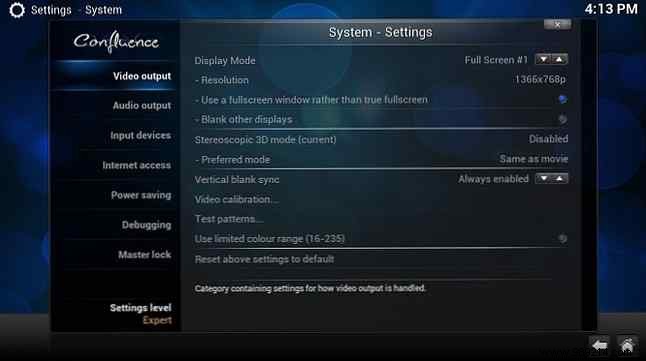
Cable setup is plug-and-play; cord-cutting involves choosing devices (Roku vs. Apple TV?), apps, and tweaks like Kodi customizations. Cable companies also resist cancellations fiercely—from my experience.
12 ways to make Kodi the best media player for you. Read more
Average U.S. cable costs $103/month. Netflix starts at $8 (SD, one screen) but jumps to $12 for 4K/multi-screen. Add Hulu ($8+), Sling TV ($20–$40), or sports like MLB.TV ($25/month), and savings shrink. Use Slate.com's cord-cutting calculator.
Cut The Cord Forever With These 15 Streaming TV Channels. Read more
Streaming lacks effortless zapping. No live channels on Netflix/Hulu; even Sling buffers and limits options. Cable wins here.
Private Roku channels offer free content, but they operate in legal gray areas. Legit services are safer and more reliable.
20 Private Roku Channels You Should Install Right Now. Read more
These questions highlight key pitfalls. Done right, cord-cutting saves money and enhances viewing; done wrong, it disappoints. Research thoroughly—your habits are unique.
7 Cord Cutting Mistakes You Should Consider First. Read more
Should you cut the cord or keep your cable TV? Read more
Thinking of ditching cable? What concerns you most? Share your must-have shows or top streaming picks in the comments!
