Let's clarify: we're talking about humanoid robots that interact with us like C-3PO from Star Wars, handling chores like storage, cleaning, laundry, and meal prep without complaint. A dream for busy households—but is it realistic?
Samsung's Bot Handy, unveiled at CES 2021, shows real promise. This non-humanoid robot with an articulated arm uses advanced AI to recognize and grasp objects, load dishwashers, set tables, serve drinks, and unpack groceries—precisely calculating required force.
Adding charm, its screen displays expressive eyes. 'Our world is different... your home has taken on greater importance,' noted Sebastian Seung, President of Samsung Research, amid pandemic-driven home focus. Home robots have never been more relevant.
Toyota Research Institute's (TRI) T-HR3, revealed in 2017, mimics human movements with sensors that adjust grip strength. Recent upgrades enable handling transparent surfaces, as shown here, tackling challenges like glass or reflective items common in homes.
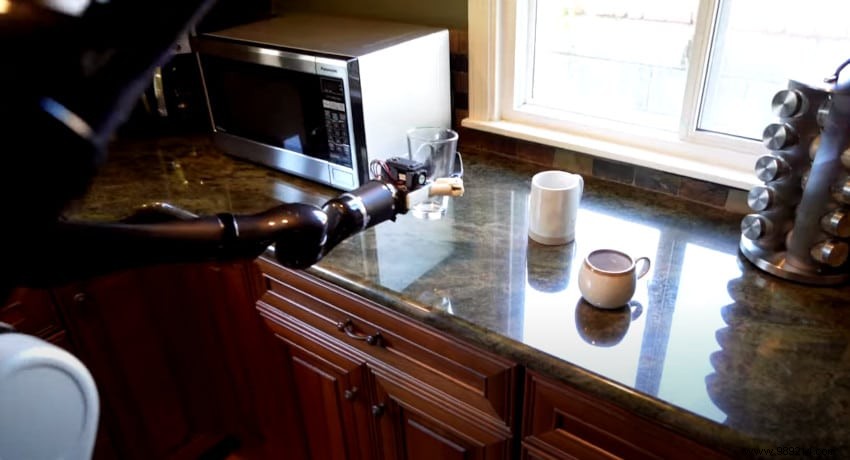
'To overcome this, TRI roboticists developed a new training method to perceive 3D geometry while detecting objects,' explains Max Bajracharya, TRI's VP of Robotics. Enhanced sensors also allow gentle handling of soft items like teddy bears.
UBTECH's Walker X matches T-HR3 capabilities with a more human-like design. Latest updates enable tea service, plant watering, surface wiping, and appliance use, adapting to stairs or uneven terrain via advanced algorithms.
While impressive, stability and aesthetics lag. UK startup Engineered Arts' Ameca excels in realism—lifelike movements and expressions in videos—though legless and AI-limited now. Paired with third-party AI, it nears ideal home assistant vision.
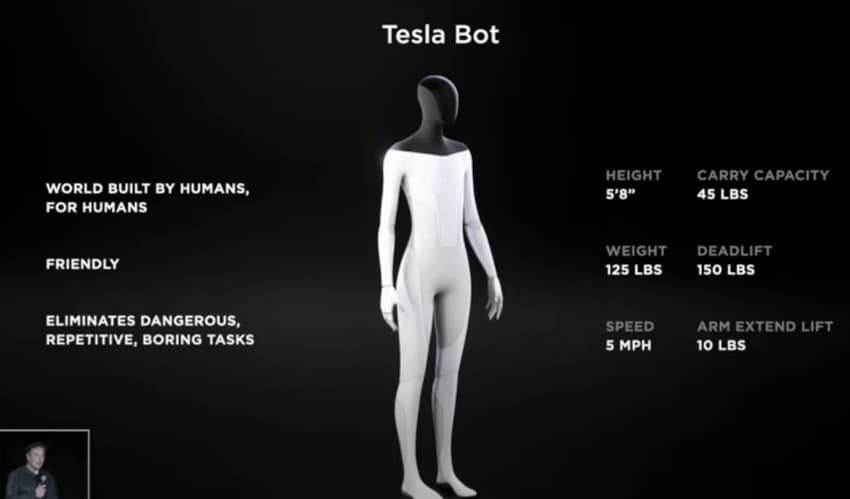
Elon Musk announced Tesla Bot at AI Day 2021: a 1.7m humanoid for repetitive tasks like carrying 20kg loads or shopping, capped at 8 km/h for safety ('you can run away,' he joked). It leverages Tesla's Full Self-Driving tech and Autopilot cameras.
Despite progress, experts like Shasta Ventures' Rob Coneybeer predict 20-25 years for widespread use (per Futurism). Consumer readiness is unproven; past efforts faltered.
Honda's ASIMO, walking bipedally since 2000, reached speeds of 9 km/h, terrain navigation, drink pouring, and sign language by 2011—but never commercialized. Development ended in 2018; tech now aids vehicles and rehab devices.
SoftBank's Pepper (2014) recognized emotions for customer service and companionship. Japan's 2015 launch sold out 1,000 units in a minute, but global sales hit just 27,000 in seven years. Production halted in 2021 amid demand drop.
Pepper's limits and glitches hurt adoption. Current projects (sans Engineered Arts) lack full humanoid form, deemed key by experts. 'Humans find humanoid shapes easier to direct,' says T-HR3 lead Tomohisa Moridaira.
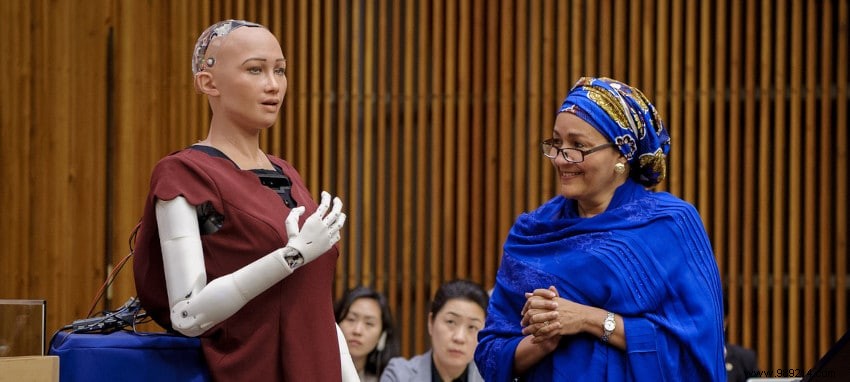
Hanson Robotics' Sophia, with lifelike silicone skin and emotion detection via neural networks, stands out—though critics liken it to advanced chatbots. Its platform is open for new apps.
Barriers include human-centric homes, lacking robot social intelligence, and unclear design ideals (per Microsoft engineer Greg Shirakyan). Smart devices already handle many tasks; full autonomy remains elusive.
Must robots mimic humans? Will consumers pay Pepper's €20,000 price for juice service? Beyond elderly assistance, appeal is limited now. Experts foresee flawless, autonomous models in 30 years—then adoption may surge.
