Is the street the world's largest museum? Does street art truly shape society, fostering openness and tolerance? We explore these questions with Combo, the visionary creator of the Colors Festival.
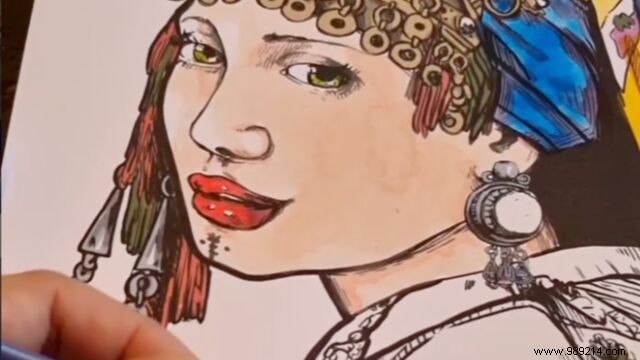
Imagine Tintin and Captain Haddock sharing a kiss, or Mona Lisa reimagined as Mounia Lisa. Street artist Combo isn't aiming to provoke outrage—he's dedicated to cultivating harmonious living together. Dive into the work of this advocate for tolerance and equality through culture.
Trained in Fine Arts, Combo finds true freedom on the streets, where he unleashes his creativity and shares messages of openness and tolerance.
His impact shines not just in public spaces but in his bold subject choices, spotlighting "communities and people who are often overlooked or misunderstood."
To achieve this, he reinterprets masterpieces like Vermeer's "Girl with a Pearl Earring" and Leonardo da Vinci's "Mona Lisa," adorning them in traditional attire from "Berber, Tunisian, Moroccan, and Algerian cultures."
The goal? Promote inclusivity and celebrate diversity.
In 2015, during a trip to Brussels, Combo reclaimed urban icons by depicting Tintin and Haddock entwined in an embrace—a now-iconic piece.
Debate follows, but that's fine by the street artist. "If it offends some, that's their perspective," he says. His intent isn't shock value but normalization of cultural differences and challenges to heteronormative norms—inviting personal interpretation.
Now in its second edition, the Colors Festival—a premier French street-art event—features around 50 French and international artists creating monumental works. Gender parity is a deliberate cornerstone.
As organizer Combo explains, this platform pairs established street-art icons with promising young talents, amplifying their voices and promoting their invaluable contributions.
